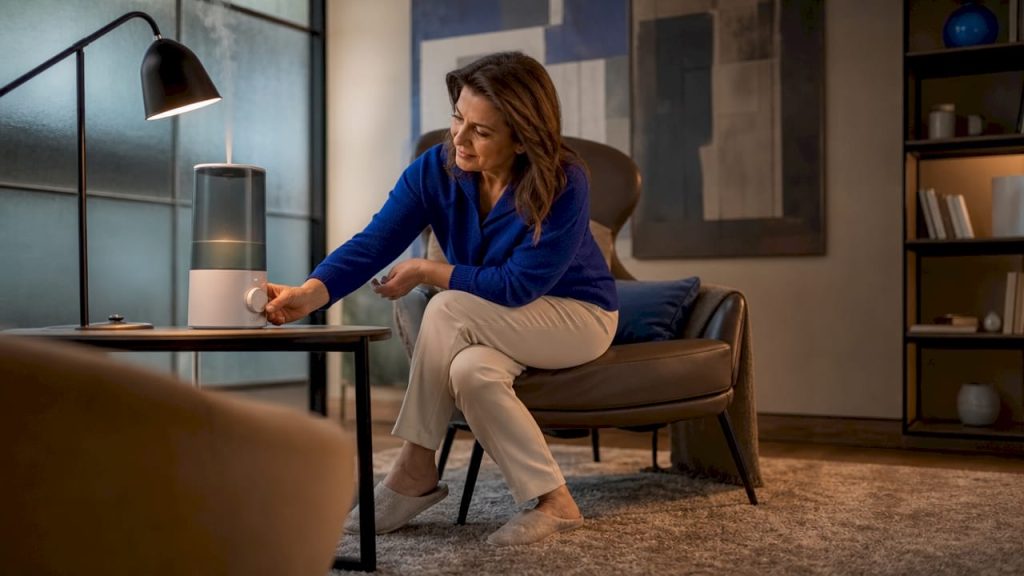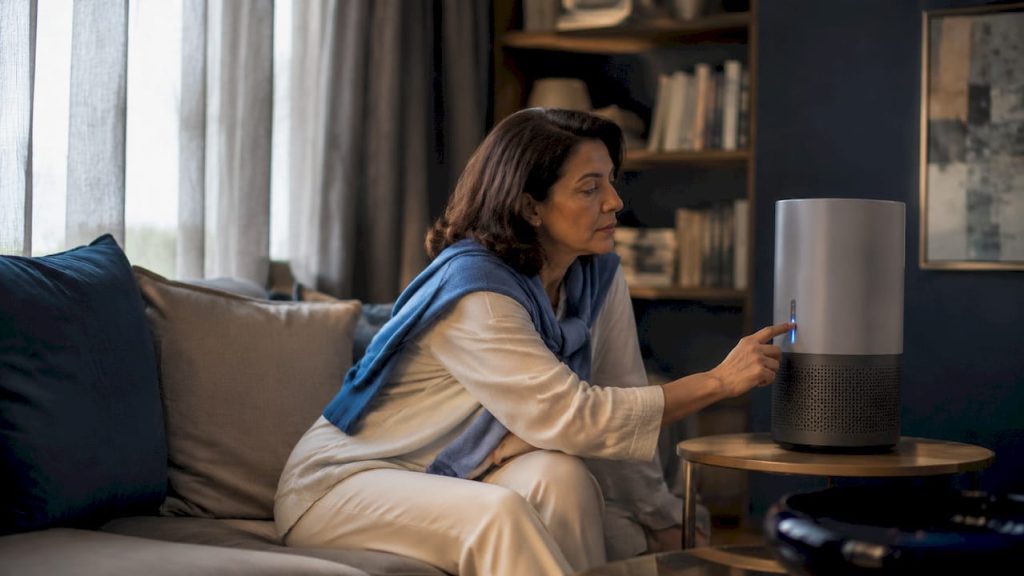
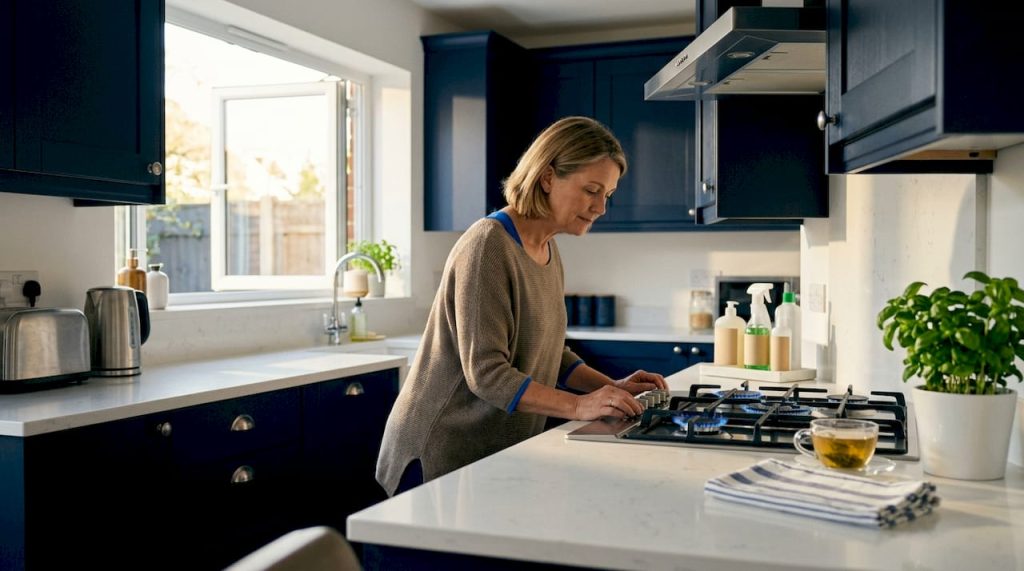
Indoor air pollution is defined as the presence of harmful gases, particles, and biological contaminants inside enclosed spaces. Humans spend approximately 90% of their time indoors, making the air inside your home far more consequential to your health than the air outside. The US EPA confirms that indoor air can often be more polluted than outdoor air, because pollutants accumulate from multiple sources with limited dilution. Understanding what causes indoor air pollution is the first step toward protecting your household, particularly if you have children, elderly relatives, or anyone with a respiratory condition.
What are the main indoor sources that cause air pollution in homes?
Indoor air pollution originates from sources already present inside your home. Combustion appliances are among the most serious offenders. Gas hobs, wood-burning stoves, and propane heaters release carbon monoxide, nitrogen dioxide, and fine particulate matter directly into living spaces. Carbon monoxide from combustion appliances causes around 400 accidental deaths per year in the US alone. Wood smoke is particularly harmful because it carries high concentrations of PM2.5, the fine particles that penetrate deep into the lungs.
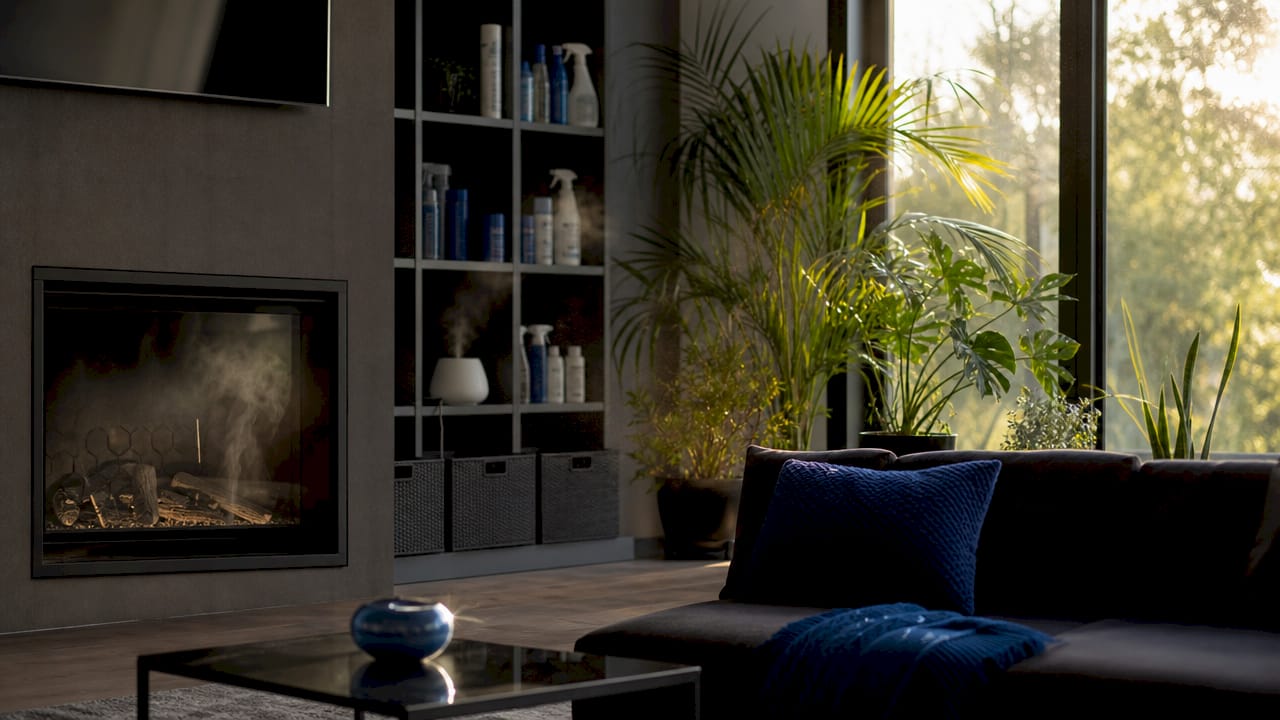
Household chemicals are the second major category. Cleaning sprays, air fresheners, paints, and varnishes all release volatile organic compounds (VOCs) into the air. VOCs are gases emitted from liquid or solid products, and they accumulate indoors far faster than they dissipate. New furniture, flooring, and adhesives also off-gas VOCs for months after installation, a process known as off-gassing.
Biological pollutants round out the picture. The main sources inside a home include:
- Mould and mildew: Grow in damp areas such as bathrooms, kitchens, and behind walls, releasing spores that trigger allergies and asthma.
- Pet dander: Microscopic skin flakes from cats, dogs, and other animals that remain airborne for hours.
- Dust mites: Thrive in bedding, carpets, and soft furnishings, producing allergens that worsen respiratory symptoms.
- Tobacco and vape smoke: Release hundreds of chemical compounds, including carcinogens, that cling to surfaces and re-enter the air long after smoking has stopped.
- Radon gas: A naturally occurring radioactive gas from soil and rock decay that enters buildings through foundation cracks. Radon is the second leading cause of lung cancer after smoking, yet most households never test for it.
Pro Tip: Open windows when using cleaning products, painting, or assembling flat-pack furniture. Even five minutes of ventilation significantly reduces VOC build-up in a closed room.
How do outdoor pollutants contribute to indoor air pollution?
Outdoor air does not stay outside. Vehicle emissions, construction dust, wildfire smoke, and industrial pollutants all enter buildings through ventilation systems, open windows, doors, and gaps in the building fabric. Pressure differences created by HVAC systems can actively draw outdoor air inward, bypassing any filtration. In cities like Riyadh and Dammam, desert dust and sand particles add a further layer of outdoor contamination that is specific to the Gulf region.
The pathways outdoor pollutants use to enter a home fall into four main categories:
- Ventilation and air conditioning: Standard HVAC filters are not designed to capture fine particles below PM2.5 or gaseous pollutants such as ozone and nitrogen dioxide.
- Open windows and doors: The most direct route, particularly during periods of high outdoor pollution such as sandstorms or heavy traffic.
- Building gaps and cracks: Older buildings with poor sealing allow continuous low-level infiltration, even when all windows are closed.
- Clothing and footwear: People carry pollutants indoors on shoes and clothing, including pesticides, pollen, and road dust.
The table below summarises the most common outdoor pollutants and the routes by which they enter homes.
| Outdoor pollutant | Primary entry route | Health concern |
|---|---|---|
| Vehicle exhaust (PM2.5, NOx) | HVAC intake, open windows | Respiratory and cardiovascular damage |
| Desert dust and sand | Gaps, doors, ventilation | Airway irritation, allergy flare-ups |
| Wildfire smoke | Open windows, ventilation | Lung inflammation, reduced oxygen uptake |
| Pesticides and herbicides | Footwear, clothing, open windows | Neurological and hormonal disruption |
| Ozone | Ventilation, gaps | Throat irritation, asthma aggravation |
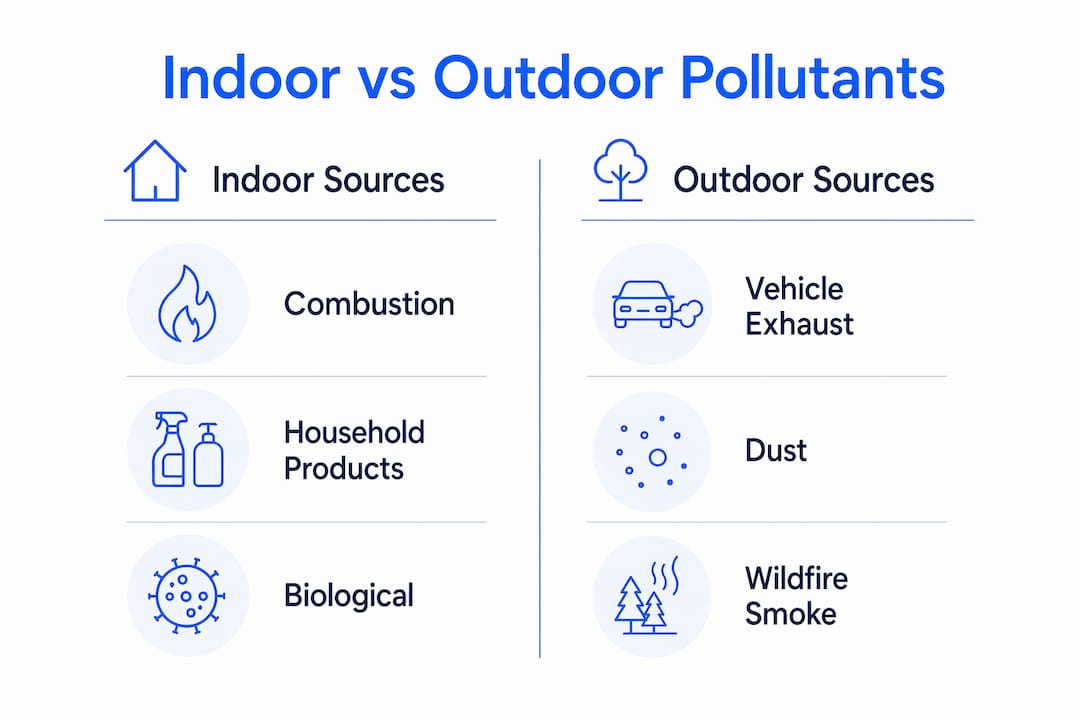
Building quality matters enormously here. A well-sealed, modern apartment with a HEPA-grade HVAC filter will admit far fewer outdoor pollutants than an older villa with single-glazed windows and no mechanical ventilation. For Saudi homes, where outdoor dust events are frequent, sealing gaps and upgrading filtration delivers a measurable improvement in indoor air quality.
What factors affect the levels and quality of indoor air pollution?
Pollutant concentration inside a home is not fixed. Several variables determine whether levels stay low or build to harmful thresholds.
Ventilation rate is the most influential factor. Air exchange rate via natural and mechanical ventilation directly controls how quickly pollutants are diluted and removed. A poorly ventilated room allows VOCs, carbon monoxide, and biological particles to accumulate rapidly. A well-ventilated space keeps concentrations low even when sources are present.
Humidity and temperature shape the biological side of indoor air quality. High indoor humidity encourages mould and mildew growth, which worsens air quality and triggers respiratory reactions. In coastal cities like Jeddah, humidity control is as important as dust filtration. Conversely, very dry air dries out mucous membranes, reducing the body’s natural defence against airborne particles.
The following factors also play a significant role:
- Occupant behaviour: Smoking indoors, using aerosol sprays, or burning incense all introduce pollutants directly into the breathing zone.
- Building materials and furnishings: Pressed wood products, carpets, and foam insulation continue to off-gas formaldehyde and other VOCs for months or years after installation.
- Seasonal changes: Homes are sealed tighter in extreme heat or cold, reducing natural ventilation and allowing pollutants to build up.
- Number of occupants: More people means more carbon dioxide, more biological activity, and more chemical products in use simultaneously.
Pro Tip: Keep indoor humidity between 40% and 60% using a hygrometer. This single measure reduces both mould risk and dust mite populations, addressing two of the most common biological pollutants at once.
What practical actions can be taken to reduce indoor air pollution?
Source control is the most effective strategy for improving indoor air quality. Removing or reducing the pollutant at its origin is always more effective than trying to clean the air after contamination has occurred. The US EPA places source control above all other interventions.
A practical approach works through five steps:
- Identify and eliminate sources: Service or replace faulty combustion appliances. Switch to low-VOC paints and cleaning products. Remove carpets in rooms where dust mites are a persistent problem.
- Improve ventilation: Use extractor fans in kitchens and bathrooms. Open windows during low-pollution periods. Install mechanical ventilation with heat recovery (MVHR) in tightly sealed homes.
- Use air purifiers with HEPA or activated carbon filters: HEPA H13 filtration captures particles down to 0.3 microns, including PM2.5, pollen, pet dander, and mould spores. Activated carbon filters adsorb VOCs and odours that HEPA alone cannot remove. For guidance on choosing the right filter, the respiratory health guide from Climasaudi covers the key differences clearly.
- Control moisture: Fix leaks promptly. Use dehumidifiers in humid rooms. Clean and dry any water-damaged materials within 24–48 hours to prevent mould establishing itself.
- Test for radon: Testing kits are widely available and inexpensive. Homes on lower floors or with basements carry the highest risk. Remediation typically involves sealing foundation cracks and improving sub-floor ventilation.
Children are more vulnerable to indoor air pollution than adults because their faster breathing rates mean they inhale more pollutants relative to their body size. Prioritising clean air in bedrooms and play areas delivers the greatest health benefit for families. The bedroom air quality guide for Saudi homes covers room-specific strategies in detail.
Key takeaways
Indoor air pollution is caused by combustion appliances, VOC-emitting household products, biological contaminants, and outdoor pollutants entering through ventilation gaps, with source control being the single most effective remedy.
| Point | Details |
|---|---|
| Combustion appliances are high-risk | Gas, wood, and propane appliances release carbon monoxide and PM2.5 directly into living spaces. |
| VOCs accumulate from everyday products | Cleaning sprays, paints, and new furnishings off-gas harmful chemicals that build up in poorly ventilated rooms. |
| Outdoor pollution enters through gaps | Vehicle exhaust, dust, and wildfire smoke infiltrate via HVAC systems, cracks, and clothing. |
| Ventilation and humidity are key variables | Low air exchange and high humidity both accelerate pollutant build-up and mould growth indoors. |
| Source control outperforms air treatment | Removing or reducing pollutant sources is more effective than relying solely on air purifiers. |
Why I think most people are solving the wrong problem first
Most people who worry about indoor air quality go straight to buying an air purifier. I understand the instinct. It feels like a direct solution. But after years of reading the research and speaking with people managing real air quality problems at home, I am convinced that most households are treating symptoms rather than causes.
The single most overlooked issue is off-gassing from new furnishings. A new sofa, a freshly painted room, or a recently installed laminate floor can release VOCs at high concentrations for weeks. No air purifier fully compensates for a continuous source. The correct sequence is always: identify the source, reduce or remove it, then use filtration to handle what remains.
Radon is the other blind spot. It is invisible, odourless, and genuinely dangerous, yet testing rates remain low. In homes built on certain geological formations, radon can accumulate to levels that carry a real long-term cancer risk. A test kit costs very little and takes minutes to set up.
For homes in Saudi Arabia, the climate adds a layer of complexity. Desert dust events push outdoor PM2.5 levels sharply upward, and that dust finds its way indoors regardless of how well a home is sealed. Coastal humidity in Jeddah creates persistent mould risk in bathrooms and behind furniture. These are not generic indoor air quality problems. They require solutions matched to local conditions, which is why choosing products built for the Gulf environment matters more than picking the most popular global brand.
The benefits of indoor air purification are real, but they are greatest when filtration works alongside source control and proper ventilation, not instead of them.
— Pauline
Cleaner air at home, starting today
Saudi homes face a combination of desert dust, coastal humidity, and high temperatures that makes indoor air quality a year-round concern. Climasaudi offers a range of air purifiers and humidifiers designed specifically for these conditions, with HEPA H13 filtration that captures PM2.5, pollen, pet dander, and mould spores down to 0.3 microns.

Whether you need a purifier for a large villa in Riyadh or a compact unit for a Jeddah apartment, Climasaudi stocks options matched to room size and specific air quality concerns. Products are available with next-day delivery, transparent SAR pricing, and local customer support. Browse the full range at Climasaudi and find the right solution for your home.
FAQ
What is the most common cause of indoor air pollution?
Combustion appliances such as gas hobs, wood-burning stoves, and propane heaters are among the most common causes, releasing carbon monoxide and fine particulate matter. VOCs from cleaning products and household chemicals are a close second.
Can outdoor air pollution affect indoor air quality?
Yes. Vehicle emissions, dust, and wildfire smoke enter buildings through ventilation systems, open windows, and gaps in the building fabric. In Gulf cities, desert dust is a particularly significant outdoor contributor to indoor air quality issues.
Is indoor air more polluted than outdoor air?
The US EPA confirms that indoor air can often be more polluted than outdoor air. Pollutants accumulate from multiple indoor sources with limited dilution, especially in poorly ventilated spaces.
What health effects do indoor air pollutants cause?
Common effects include respiratory irritation, asthma aggravation, headaches, and fatigue. Long-term exposure to radon gas is the second leading cause of lung cancer after smoking. Children face greater risk because they breathe faster relative to their body size.
How can I reduce indoor air pollution quickly?
Source control is the fastest and most effective approach. Remove or fix faulty appliances, switch to low-VOC cleaning products, improve ventilation, and use an air purifier with HEPA H13 filtration to capture remaining airborne particles.