A clean air filter is a device that removes airborne particles from indoor environments, directly reducing your exposure to the pollutants and allergens that trigger respiratory symptoms. For anyone managing asthma, hay fever, or chronic lung conditions, the quality of the air inside your home matters as much as the air outside. Indoor air can be unhealthy even when no symptoms are immediately obvious, which makes proactive filtration a sound health decision rather than a luxury. HEPA filters, the gold standard in indoor air filtration, are certified to capture 99.97% of particles at 0.3 micrometres, covering dust, pollen, and pet dander. Understanding how these systems work, and how to use them correctly, is the foundation of any serious approach to respiratory health at home.
How clean air filters improve indoor air quality and respiratory health
Air filters work by drawing room air through a dense mesh of fibres that trap particles before the cleaned air is returned to the room. The two most effective filter types are HEPA (High Efficiency Particulate Air) and activated carbon. HEPA targets solid particles such as dust mite debris, mould spores, and pollen. Activated carbon targets gases and odours, including volatile organic compounds (VOCs) from cleaning products and furniture.
Particle size is what makes HEPA filtration so relevant to allergy and asthma sufferers. The allergens that cause the most harm, including PM2.5 fine particles, are small enough to travel deep into the lungs. HEPA filters capture 99.97% of particles at the 0.3 micrometre threshold, which covers the full range of common indoor allergens. That level of efficiency is why respiratory specialists consistently recommend HEPA as the baseline standard.

The evidence for health outcomes is solid. A Texas A&M study found that air purifiers combining HEPA and activated carbon filters, placed in bedrooms alongside asthma education, reduced the number of days exceeding healthy air standards and improved asthma control in adult patients. The combination of filtration and education produced measurably better results than either approach alone.
There are limits, though. Filtration only addresses airborne particles. Allergens that have already settled on surfaces require physical cleaning to remove. A HEPA air purifier running in a dusty, uncleaned room will reduce airborne load but cannot undo what has already landed on your bedding or carpet.
Key filtration benefits at a glance:
- Reduced airborne allergens: Dust, pollen, and pet dander are captured before you breathe them in.
- Lower PM2.5 concentrations: Fine particles linked to lung inflammation are significantly reduced.
- Odour and gas removal: Activated carbon layers address VOCs and cooking fumes.
- Improved sleep quality: Cleaner bedroom air reduces night-time symptoms for asthma sufferers.
- Preventive protection: Indoor air hazards exist even without obvious symptoms, making continuous filtration worthwhile.
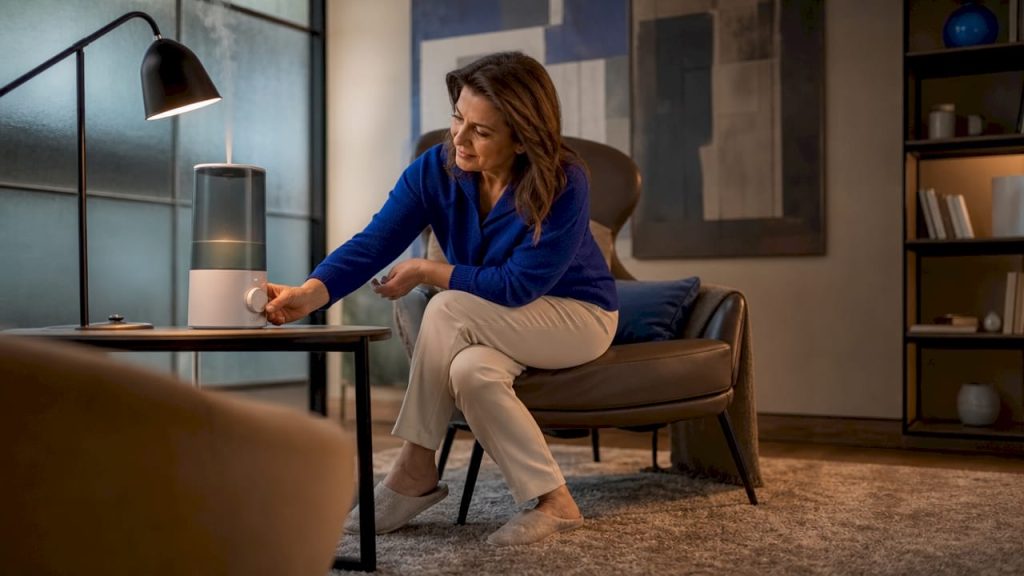
Pro Tip: Place your air purifier in the room where you spend the most time, typically the bedroom, rather than a central hallway. Concentrated use in high-occupancy rooms delivers the greatest reduction in personal allergen exposure.
What should you look for when choosing an air filter?
Choosing the right air purifier requires matching the device to your room, your specific triggers, and your maintenance habits. The wrong choice does not just underperform; it can create a false sense of security.

| Feature | What to Look For | Why It Matters |
|---|---|---|
| Filter certification | True HEPA H13 or higher | Guarantees 99.97% particle capture at 0.3 micrometres |
| Activated carbon layer | Present as a separate stage | Removes gases, VOCs, and odours that HEPA alone cannot address |
| CADR rating | Matched to your room size | Clean Air Delivery Rate confirms real-world airflow performance |
| Air changes per hour | Minimum 4–5 per hour | Ensures the full room volume is filtered frequently enough |
| Filter replacement indicator | Built-in sensor or timer | Prevents running a clogged, ineffective filter unknowingly |
| Ozone output | Zero ozone generation | Ozone generators irritate lungs and are not recommended |
Room size is the most commonly overlooked factor. A purifier rated for 20 square metres placed in a 50 square metre open-plan living area will not achieve adequate air changes per hour. Always check the manufacturer’s CADR rating against your actual room dimensions.
Placement matters as much as specification. For allergy and asthma households, the bedroom is the priority room. You spend roughly a third of your life there, and night-time allergen exposure directly affects sleep quality and morning symptom severity. The EDIAQI project research confirms that positioning a purifier close to pollution sources and allowing good air mixing within the room significantly improves pollutant removal.
Avoid any device marketed as an ozone generator or ionic air purifier that produces ozone as a by-product. Studies show these devices can exceed safe ozone exposure limits and do not effectively destroy indoor pollutants. For anyone with asthma or sensitive airways, ozone is an irritant, not a solution.
Pro Tip: Check whether replacement filters are readily available and affordable before you buy the unit. A purifier with expensive or hard-to-source filters often ends up running on a clogged filter for months, which defeats the purpose entirely.
How to maintain your air filter for the best results
Consistent maintenance is what separates a functioning clean air system from an expensive ornament. Follow these steps to keep your filter performing at full capacity.
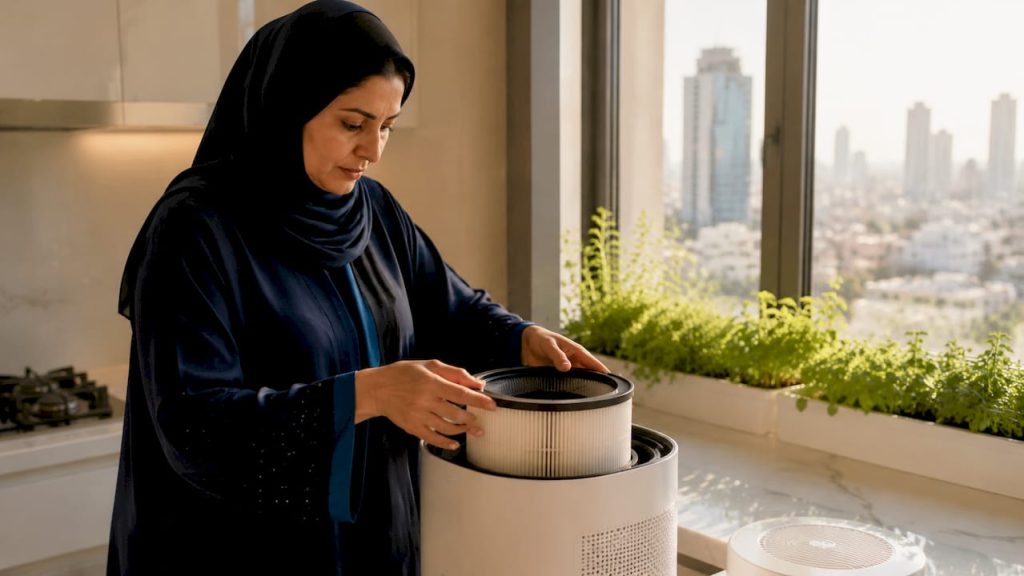
- Check the filter monthly. Hold it up to the light. A visibly grey or clogged filter is already reducing airflow and filtration efficiency. Do not wait for the replacement indicator if you can see the problem.
- Replace HEPA filters on schedule. Most manufacturers recommend replacement every 6–12 months depending on usage and local air quality. In cities like Riyadh or Dammam, where desert dust is a persistent challenge, lean towards the shorter end of that range.
- Clean the pre-filter regularly. Many units include a washable pre-filter that catches larger particles. Rinse it every 2–4 weeks and allow it to dry fully before reinserting. This extends the life of the main HEPA filter.
- Vacuum with a HEPA-filter vacuum cleaner. Standard vacuums can redistribute fine particles back into the air. A vacuum fitted with a HEPA filter traps what it collects. Use it on carpets, upholstered furniture, and curtains at least once a week.
- Damp-dust hard surfaces. A dry cloth lifts dust briefly before it resettles. A damp cloth captures it. Combine damp dusting with your vacuuming routine to reduce the settled allergen load that your air purifier cannot address.
- Keep windows closed during high-pollution periods. The CDC recommends using the Air Quality Index (AQI) to plan outdoor activities and manage indoor exposure. On high-AQI days, keeping windows shut and running your purifier on a higher setting is the most effective response.
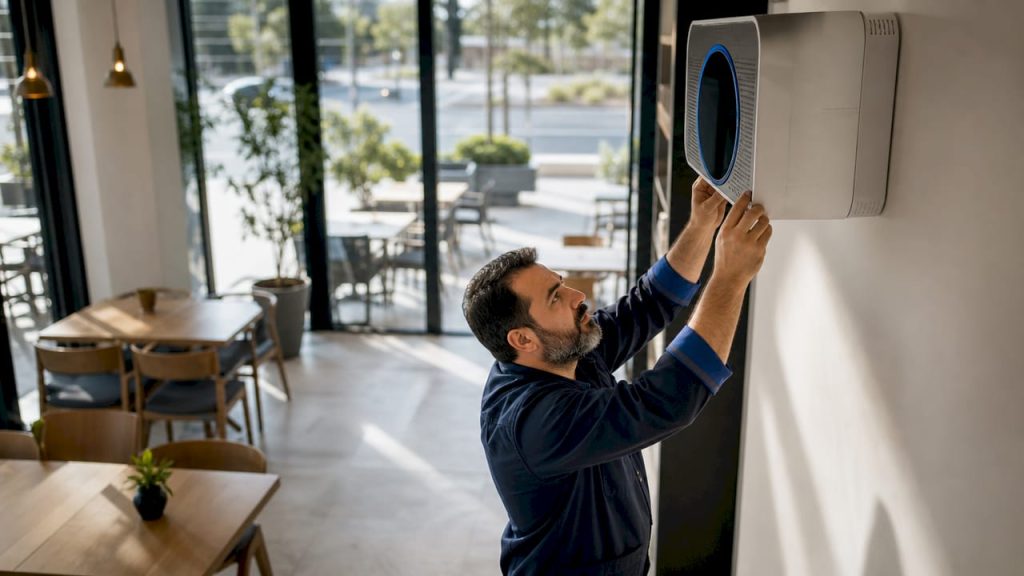
- Position the unit away from walls and obstructions. Air needs to circulate freely around the intake and outlet. A purifier pushed into a corner or blocked by furniture cannot draw and return air efficiently.
Common mistakes to avoid:
- Running the purifier only when symptoms appear rather than continuously
- Placing the unit in a room you rarely occupy
- Neglecting the surrounding environment while relying solely on filtration
- Buying a unit rated for a smaller room than you actually have
- Forgetting that filtration alone does not fully mitigate indoor PM2.5 without supporting ventilation and source control
For guidance on keeping your filters in top condition, the Climasaudi blog covers HEPA filter maintenance in practical detail.
Why does your air purifier sometimes feel ineffective?
A purifier that seems to make no difference is usually the result of one of three problems: the wrong device for the space, poor placement, or an unaddressed pollution source. Understanding which applies to your situation is the first step to fixing it.
Outdoor infiltration is a significant factor that filtration alone cannot solve. A King County indoor-outdoor monitoring study found that both HEPA air cleaners and DIY box fan filter kits reduced indoor PM2.5 during wildfire smoke events, but room factors including building airtightness and occupant behaviour heavily influenced the results. Filtration helps, but it works within the constraints of your building.
Source control is the principle that matters most here. If you are burning incense, using aerosol sprays, or cooking without adequate ventilation, you are generating pollutants faster than most purifiers can remove them. Reducing the source is always more effective than trying to filter the output.
“Pairing air filtration with education and reducing exposure to triggers results in measurable respiratory health improvements.” — Texas A&M Vital Record
When symptoms persist despite running a well-maintained purifier, consider these possibilities:
- The filter is past its service life. A clogged HEPA filter restricts airflow and loses efficiency without always looking visibly dirty.
- The unit is undersized. Check the CADR rating against your room’s actual square metreage.
- Settled allergens are the primary trigger. Airborne filtration cannot address what is already embedded in your mattress or carpet. Pair filtration with regular cleaning for full allergen control.
- Outdoor air quality is the dominant factor. On high-AQI days, even a well-placed purifier struggles if windows and doors are not sealed.
- The pollutant type does not match the filter media. HEPA alone does not address gases or VOCs. If chemical sensitivity or odour is the issue, you need an activated carbon stage as well.
The EDIAQI project noted variable reductions in specific pollutant fractions, confirming that matching filter media to your actual indoor pollution sources is critical. Understanding what you are filtering for, particles, gases, or both, determines which device will actually help you. For a deeper look at how HEPA filtration addresses specific allergens, the Climasaudi guide on HEPA filter allergy benefits is worth reading alongside this article.
Key takeaways
A clean air filter combined with consistent maintenance and source control is the most reliable way to reduce indoor allergen exposure and protect respiratory health.
| Point | Details |
|---|---|
| HEPA is the baseline standard | Choose True HEPA H13 certification to guarantee 99.97% particle capture at 0.3 micrometres. |
| Placement determines performance | Position purifiers in bedrooms or high-occupancy rooms, away from walls, for maximum allergen reduction. |
| Filtration requires cleaning support | Vacuum with a HEPA vacuum and damp-dust surfaces regularly, as settled allergens need physical removal. |
| Source control is non-negotiable | Reduce indoor pollution sources first; filtration works best when it is not competing with active pollutant generation. |
| Filter maintenance is not optional | Replace HEPA filters every 6–12 months and clean pre-filters every 2–4 weeks to maintain full efficiency. |
What i have learnt from living with an air purifier every day
I have spent years writing about indoor air quality, and the single most common mistake I see is treating an air purifier as a set-and-forget appliance. People buy a well-rated unit, plug it in, and assume the job is done. Six months later, the filter is clogged, the unit is sitting in the wrong room, and they wonder why their allergy symptoms have not improved.
The honest truth is that filtration is one layer of a multi-layer approach. The Texas A&M research that showed measurable asthma improvements did so with filtration and education combined. Neither alone produced the same result. That finding matches what I have observed consistently: the people who benefit most are those who also reduce their indoor pollution sources, clean regularly, and understand what their device can and cannot do.
I am also sceptical of the idea that a more expensive purifier automatically means better health outcomes. A correctly sized, well-maintained mid-range HEPA unit in the right room will outperform a premium device that is too large for the space, placed poorly, or running on a filter that should have been replaced three months ago.
For anyone in Saudi Arabia specifically, the desert dust load in cities like Riyadh means filters clog faster than the standard replacement schedule assumes. Check your pre-filter monthly without fail. The indoor air quality challenges in the region are real and specific, and your maintenance routine needs to reflect that.
— Pauline
Breathe better indoors with Climasaudi
If you are ready to act on what you have read here, Climasaudi stocks a full range of air purifiers built for the Saudi Arabian environment, from compact bedroom units to larger models suited to open-plan villas and offices.
The Blueair ComfortPure 3-in-1 T20i combines HEPA and activated carbon filtration in a single unit, priced at SAR 1,503 with next-day delivery across Riyadh, Jeddah, and Dammam. For smaller rooms, the Blueair Blue 3610 at SAR 1,193 is a reliable bedroom option. Climasaudi also carries genuine replacement filters and complementary humidifiers to help you maintain healthy indoor humidity alongside clean air. Browse the full range at Climasaudi and find the right solution for your home.
FAQ
What does a HEPA filter actually remove?
A True HEPA filter removes 99.97% of airborne particles at 0.3 micrometres, including dust, pollen, pet dander, mould spores, and PM2.5 fine particles. It does not remove gases or odours, which require an activated carbon filter stage.
How often should i replace my air filter?
Most HEPA filters need replacing every 6–12 months, but in dusty environments such as Riyadh or Dammam, every 6 months is the safer interval. Check your pre-filter monthly and replace the main filter as soon as airflow noticeably drops.
Can an air purifier help with asthma?
Yes. A Texas A&M study found that HEPA and activated carbon purifiers placed in bedrooms, combined with asthma education, reduced days exceeding healthy air standards and improved asthma control in adult patients.
Are ozone air purifiers safe for respiratory health?
No. Ozone-generating purifiers can exceed safe ozone exposure limits and irritate the airways, making them harmful for anyone with asthma or lung sensitivity. Choose a certified HEPA unit with no ozone output.
Does an air purifier work if i do not clean my home?
Partially. An air purifier reduces airborne allergens effectively, but settled allergens on surfaces, carpets, and bedding require regular vacuuming and damp dusting to remove. Filtration and cleaning work together, not as alternatives.