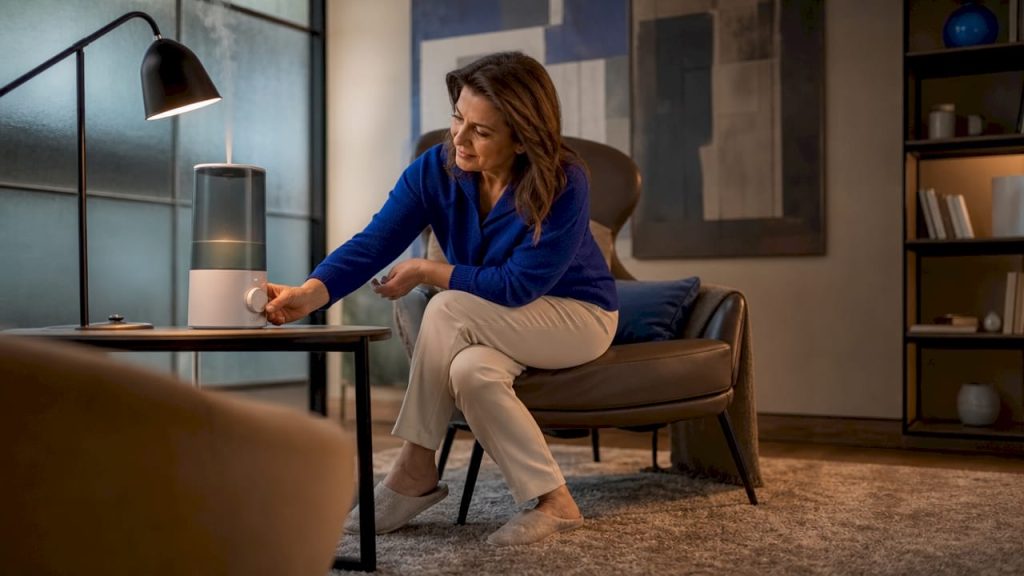
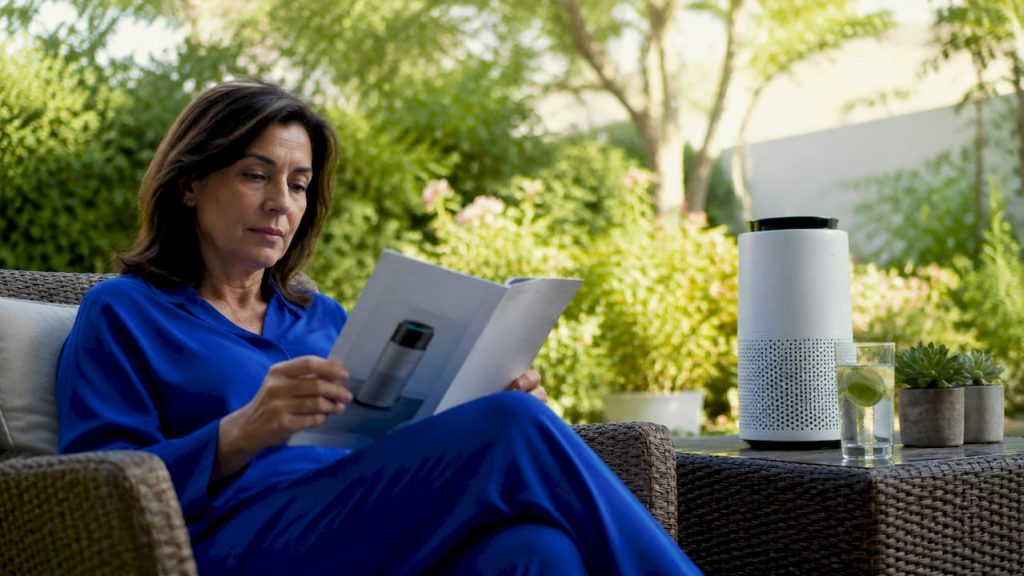
An air purifier is one of the most practical tools for reducing the airborne triggers that worsen cystic fibrosis (CF) lung disease at home. Understanding how air purifier helps cystic fibrosis means recognising that CF lungs are already compromised by chronic infection and mucus buildup. Adding fine particulate matter (PM2.5) to that environment accelerates inflammation and increases the risk of pulmonary exacerbations. Indoor air is often more polluted than outdoor air, which makes a certified HEPA air purifier a clinically meaningful addition to any CF management plan. This article explains the evidence, the technology, and the practical steps to get the most from air purification at home.
How air purifiers help cystic fibrosis: the core mechanism
Air purifiers reduce the concentration of inhaled irritants that directly trigger CF lung exacerbations. CF patients already have impaired airway clearance, so every particle they inhale creates a multiplier effect on airway inflammation. A HEPA H13 air purifier physically captures those particles before they reach the airways, giving the immune system fewer environmental threats to manage. The result is a more stable respiratory environment, which supports better day-to-day lung function.
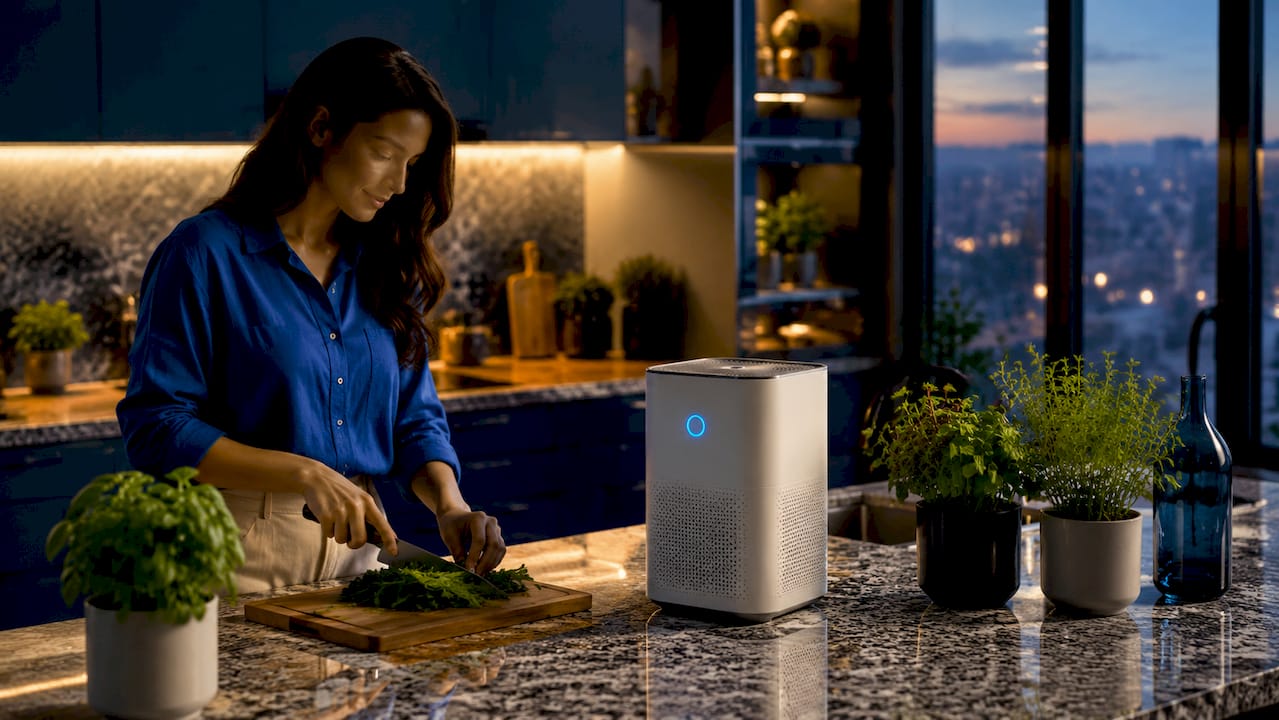
The term “air purification” refers specifically to the mechanical removal of airborne particles, allergens, and pollutants. This is distinct from humidification, which addresses moisture levels in the air. Both matter for CF patients, but they require different devices. Knowing this distinction helps you choose the right equipment for each need.
Why is particulate matter so dangerous for CF lungs?
Particulate matter is classified by size. PM10 particles are 10 micrometres or smaller. PM2.5 particles are 2.5 micrometres or smaller and penetrate deep into the lungs. Both are generated indoors by cooking, candles, cleaning products, and dust, as well as entering from outdoor sources such as traffic and desert dust.
Research confirms the severity of this threat for CF patients:
- PM2.5 exposure significantly reduces lung function and increases pulmonary exacerbations, with a statistically significant decline recorded at p<0.001.
- The odds ratio for hospital admission due to CF exacerbation reached 16.33 on the day of elevated PM2.5 exposure. That figure means patients were more than 16 times more likely to be hospitalised on high-pollution days.
- Elevated PM2.5 levels measured five days before a hospital visit still correlated strongly with exacerbation events, showing that cumulative exposure matters, not just single-day spikes.
“Because CF patients already have impaired airway clearance, inhaling particulate matter causes a multiplier effect on airway inflammation, making air purification clinically vital.”
The physiological mechanism is direct. Particles that reach the lower airways trigger an inflammatory response. In CF lungs, where mucus is already thick and difficult to clear, that inflammation compounds existing blockages and creates conditions where bacterial infections thrive. Reducing the particle load through improved indoor air quality is therefore not a comfort measure. It is a clinical one.
Which air purifier technology works best for CF?
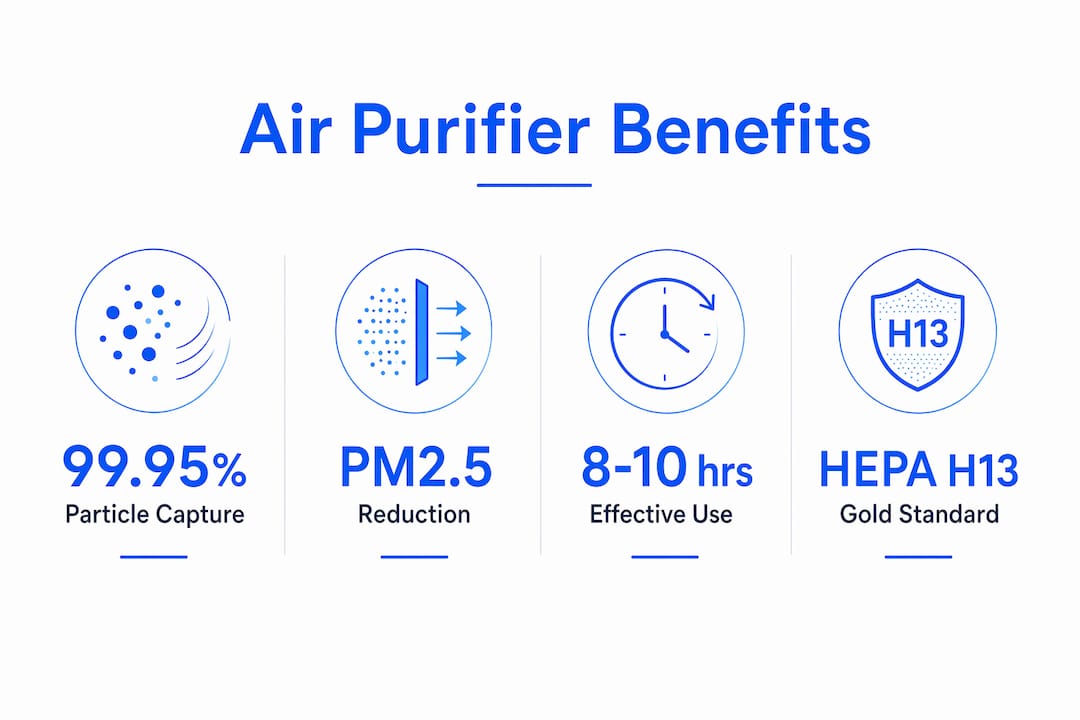
HEPA filtration is the gold standard for CF patients. A HEPA H13 filter captures 99.95% of particles at 0.3 micrometres, which covers PM2.5 and most biological allergens. HEPA filters effectively remove PM2.5 particles that are most harmful in CF, unlike some other filter types that have limited capabilities or produce ozone.
The table below compares the main filter technologies available:
| Technology | Particle Capture | Ozone Risk | Recommended for CF |
|---|---|---|---|
| HEPA H13 | 99.95% at 0.3 µm | None | Yes |
| Activated carbon | Gases and odours only | None | As a supplement |
| Ioniser | Partial; deposits on surfaces | Possible | No |
| UV-C light | Targets microbes only | Possible | Not as primary filter |
| Ozone generator | Limited particle removal | High | Never |
The Clean Air Delivery Rate (CADR) is the second critical specification. CADR measures how quickly a purifier cleans a given volume of air. A unit with a low CADR placed in a large bedroom will cycle the air too slowly to make a meaningful difference. Match the CADR rating to your room size before purchasing.
Activated carbon filters are worth adding as a secondary layer. They capture volatile organic compounds (VOCs) from cleaning products and cooking fumes, which are additional irritants for CF airways. However, carbon alone does not capture PM2.5, so it should always accompany a HEPA filter, not replace it.
Pro Tip: Look for units that combine HEPA H13 with an activated carbon layer. The Blueair ComfortPure 3-in-1 T20i, for example, addresses both particulate and chemical irritants in a single unit, which simplifies maintenance and reduces the number of devices you need to manage.
Understanding HEPA filter ratings before you buy prevents the common mistake of purchasing a “HEPA-type” filter, which is a marketing term for filters that do not meet the H13 standard.
How to optimise your home air quality for cystic fibrosis
Placing and maintaining your air purifier correctly determines whether it delivers real benefit or just background noise. Follow these steps to get the most from your device:
- Prioritise the bedroom. CF patients spend 8–10 hours sleeping, making the bedroom the single highest-impact location for a purifier. Bedroom placement reduces cumulative inhaled pollutants significantly over a full night. Read the Climasaudi guide on bedroom air quality for room-specific advice.
- Size the unit to the room. Check the manufacturer’s CADR rating against your room’s square metreage. A unit rated for 20 square metres will not adequately clean a 40-square-metre living room.
- Run it continuously on a low setting. Intermittent use allows particle levels to rebuild between cycles. A low, continuous setting is more effective than running the unit on high for short periods.
- Replace filters on schedule. Regular filter maintenance is not optional. A clogged HEPA filter loses efficiency rapidly and can become a source of secondary contamination. Follow the manufacturer’s replacement schedule, typically every 6–12 months depending on usage and local air quality.
- Control humidity alongside purification. Dry air thickens mucus in CF airways. A separate humidifier set to 40–60% relative humidity supports mucus hydration without interfering with the purifier’s particle capture function.
- Reduce indoor pollution sources. Avoid candles, incense, aerosol sprays, and smoking indoors. Vacuum with a HEPA-equipped vacuum cleaner. These steps lower the particle load the purifier must handle.
Pro Tip: In Saudi Arabia, desert dust events can spike indoor PM2.5 levels sharply even with windows closed. During a sandstorm or high-dust day in Riyadh or Jeddah, switch your purifier to its highest setting and keep it there until outdoor air quality returns to normal.
What can’t an air purifier do for cystic fibrosis?
Air purifiers are a supportive tool, not a treatment. Purifiers do not substitute for mucolytics, CFTR modulators, or airway clearance therapies. They reduce environmental triggers. They do not address the underlying genetic defect or the chronic infections that define CF.
Readers should be aware of the following limitations:
- Purifiers do not humidify. Clean air and humidified air are separate needs. Confusing the two leads to purchasing the wrong device. If mucus hydration is the concern, a humidifier is the correct tool.
- Ozone generators are harmful for CF patients. Ozone is a respiratory irritant. Any device marketed as an “air purifier” that generates ozone should be avoided entirely by anyone with a lung condition.
- Non-HEPA filters offer limited protection. Filters labelled “HEPA-type” or “HEPA-like” do not meet the H13 standard and will not capture PM2.5 reliably.
- Purifiers cannot replace medical care. Optimal CF outcomes require pharmacological therapies, physiotherapy, and environmental controls working together. Air purification is one layer of a multi-modal approach.
- Professional assessment adds value. A home air quality assessment from a qualified HVAC professional can identify specific pollutant sources in your home that a purifier alone cannot address.
Always discuss environmental control measures with your CF care team. They can advise on how purification fits alongside your current medication and physiotherapy regimen.
Key takeaways
Air purifiers reduce the PM2.5 particle load that directly triggers CF lung exacerbations, making HEPA H13 filtration a clinically supported environmental control measure within a broader CF management plan.
| Point | Details |
|---|---|
| PM2.5 drives exacerbations | Elevated PM2.5 raises hospitalisation odds by up to 16.33 times on the day of exposure. |
| HEPA H13 is the standard | Only HEPA H13 filters capture 99.95% of PM2.5 particles; avoid “HEPA-type” alternatives. |
| Bedroom placement is critical | CF patients sleep 8–10 hours; a bedroom purifier reduces total nightly inhaled pollutants. |
| Purifiers supplement, not replace | Mucolytics, CFTR modulators, and airway clearance therapies remain the primary CF treatments. |
| Maintenance determines effectiveness | Replace HEPA filters every 6–12 months to maintain particle capture efficiency. |
Why i think most CF families underestimate their indoor air
After years of writing about respiratory health and indoor air quality, I have noticed a consistent pattern. CF families invest heavily in medications and physiotherapy, which is absolutely right. Yet the home environment often receives little attention until a bad exacerbation prompts a rethink.
The research on PM2.5 and CF is not subtle. An odds ratio of 16.33 for hospitalisation on high-pollution days is a striking number. What surprises me is how rarely this data reaches families in a practical, usable form. Most people assume outdoor air is the main threat. The reality is that indoor cooking, dust accumulation, and poor ventilation can create PM2.5 concentrations that rival busy roadside environments.
My view is that a HEPA H13 air purifier in the bedroom should be treated as standard equipment for CF households, in the same category as a nebuliser or a flutter device. It is not a luxury. The cost of a quality unit is modest compared to the cost of a single hospitalisation, and the daily benefit of cleaner sleeping air is measurable. Combine it with a humidifier, keep the filters fresh, and you have addressed two of the most controllable environmental variables in CF care. That is a meaningful gain for relatively little effort.
— Pauline
Find the right air purifier for your home at Climasaudi
Climasaudi stocks a full range of HEPA H13 certified air purifiers, humidifiers, and combination units designed for Saudi homes in Riyadh, Jeddah, and Dammam. Every product listing includes CADR ratings and room size guidance so you can match the right unit to each room without guesswork.
For CF patients who need both clean air and humidity control, the Blueair 2-in-1 Purify + Humidify DH3i addresses both needs in a single device. If bedroom air quality is your priority, the compact Blueair Blue 3610 delivers strong CADR performance for smaller rooms. Browse the full range of air purifiers and HEPA filters at Climasaudi, with next-day delivery available across Saudi Arabia and transparent SAR pricing on every product.
FAQ
Do air purifiers actually help with cystic fibrosis?
Yes. Research confirms that reducing PM2.5 exposure lowers the risk of pulmonary exacerbations in CF patients. A HEPA H13 air purifier removes the fine particles that trigger airway inflammation in compromised CF lungs.
What type of air purifier is best for cystic fibrosis?
A HEPA H13 air purifier with an activated carbon layer is the most effective choice. Avoid ozone generators and ionisers, as both can produce respiratory irritants that worsen CF symptoms.
Where should i place an air purifier if i have cystic fibrosis?
Place it in the bedroom first. CF patients spend 8–10 hours sleeping, so the bedroom delivers the greatest reduction in cumulative inhaled pollutants over a 24-hour period.
Can an air purifier replace my CF medications?
No. Air purifiers are an environmental control measure and do not replace mucolytics, CFTR modulators such as Trikafta, or airway clearance physiotherapy. They work alongside these treatments, not instead of them.
How often should i replace the HEPA filter in my air purifier?
Most manufacturers recommend replacing HEPA filters every 6–12 months. In high-dust environments such as Riyadh during sandstorm season, more frequent replacement may be needed to maintain full filtration efficiency.