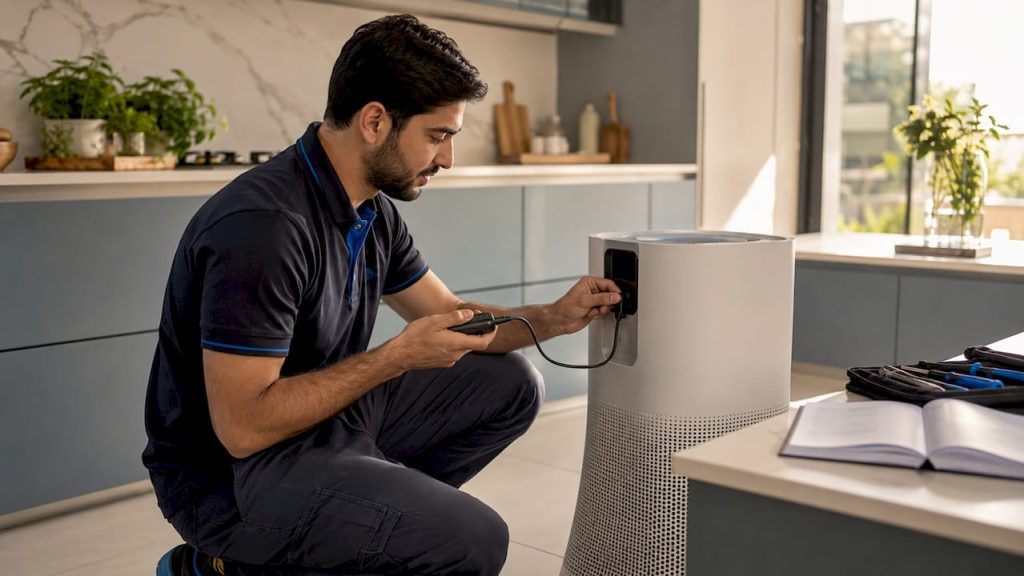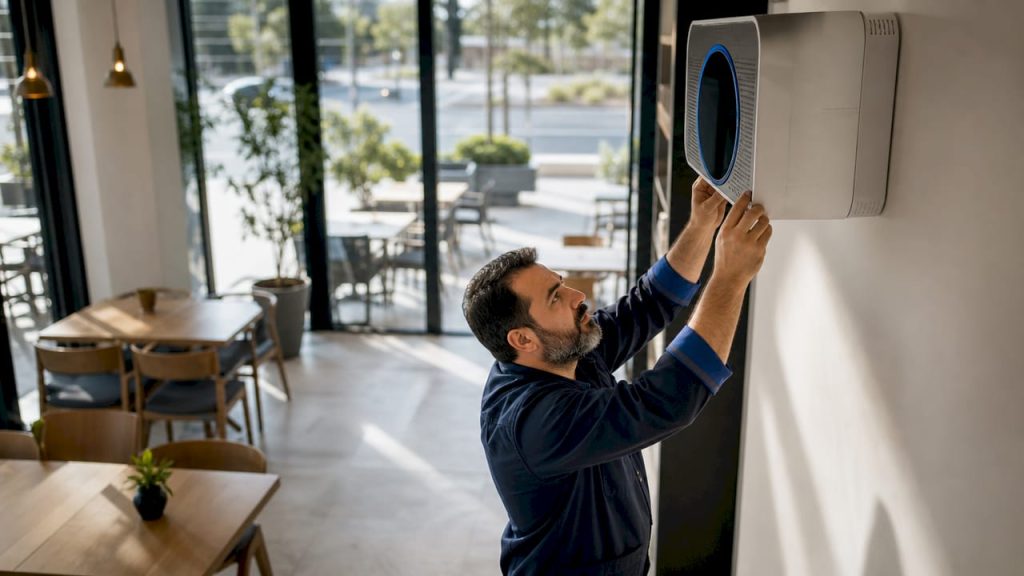
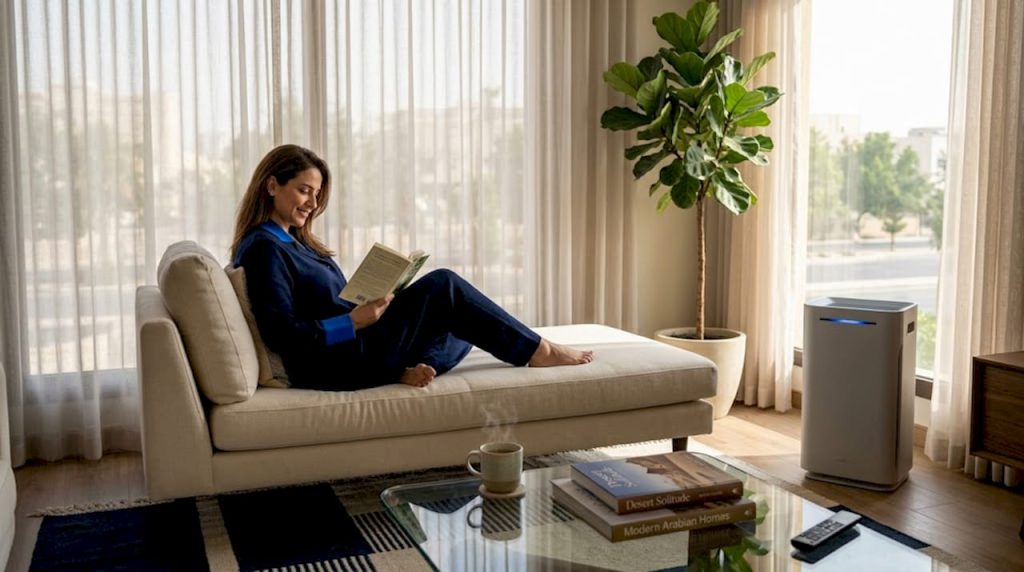
Choosing the right air purifier for your Saudi apartment is harder than it looks. The outdoor air around Riyadh, Jeddah, and Dammam carries a mix of desert dust, vehicle exhaust, and industrial emissions that routinely infiltrates indoor spaces, making indoor pollution a genuine health concern rather than a theoretical one. A good air purifier can make a real difference, but only if you match the right device to your specific apartment and local conditions. This guide covers exactly how to do that.
Table of Contents
- Why indoor air matters in Saudi apartments
- Top five proven benefits of apartment air purifiers
- How air purifier effectiveness depends on your apartment
- Saudi apartment air purifier feature comparison
- Getting the most from your home air purifier
- Why air purifiers alone aren’t a magic fix: our perspective
- Find the right purifier for your Saudi apartment
- Frequently asked questions
Key Takeaways
| Point | Details |
|---|---|
| City-specific challenges | Desert dust and traffic make air purification essential for Riyadh, Jeddah, and Dammam apartments. |
| Proven indoor benefits | HEPA and carbon purifiers reduce particulate matter, gases, and allergy triggers indoors. |
| Success factors | Purifier size, filter quality, and proper use all shape how much cleaner your apartment air becomes. |
| Combined strategies | Best results come from pairing purifiers with ventilation, source control, and humidity management. |
Why indoor air matters in Saudi apartments
Most residents assume their apartment walls keep outdoor pollution out. They do not, not entirely. Air moves through window seals, under doors, through ventilation ducts, and around building joints. Every time a door opens or a window is cracked, outdoor particles come in.
The problem is not uniform across Saudi cities. Each city has its own pollution signature, and that shapes what your indoor air actually contains:
- Riyadh sits in a dry, inland basin. Dust storms are frequent and intense. Traffic from one of the region’s most congested road networks adds nitrogen dioxide (NO2) and fine particulate matter (PM2.5) year-round.
- Jeddah faces a different challenge. Coastal humidity accelerates mould growth indoors, while port activity and industrial zones to the south add heavy particulate loads to the city air.
- Dammam is the industrial heartland of the Eastern Province. Petrochemical plant emissions and construction dust create a complex mix of gases and ultra-fine particles that are difficult to filter without the right equipment.
Beyond what comes in from outside, apartments generate their own pollution. Gas stoves, cooking fumes, cleaning sprays, furniture off-gassing, and even the presence of multiple people in a sealed space all degrade indoor air. The city-specific pollution challenges in Saudi Arabia mean that a generic, low-specification purifier is unlikely to address what is actually in your air.
“Indoor air can be two to five times more polluted than outdoor air in urban environments, even in buildings with modern construction.”
This is a relevant starting point for Saudi apartment dwellers who assume modern buildings equal cleaner air. They do not, without active filtration. Understanding which local pollutants affect your city most directly helps you select the right city-specific air purifier features for your home.
Top five proven benefits of apartment air purifiers
With air quality a real concern, let’s look at what makes purifiers an effective tool for apartments. The evidence base has grown significantly in recent years. Here are the five benefits most relevant to Saudi apartments.
-
Measurable reduction in fine particles (PM2.5 and PM10). Desert dust storms push PM10 levels far above safe thresholds in all three Saudi cities. Portable HEPA purifiers are shown to reduce indoor fine particulate matter in apartments, directly cutting the concentration of particles that enter your lungs.
-
Removal of cooking gases and odours. Saudi kitchens use gas stoves heavily. Units combining HEPA filtration with an activated carbon layer can significantly reduce NO2 and cooking odours, especially in apartments with limited ventilation.
-
Cardiovascular support for high-risk residents. This is one of the more surprising findings in recent research. Studies show that HEPA filtration produces measurable systolic blood pressure improvements in residents exposed to elevated urban PM, particularly those with existing cardiovascular risks. For elderly residents or those with heart conditions in Dammam’s industrial air, this benefit is worth noting.
-
Allergy and asthma relief. Pollen, mould spores, pet dander, and dust mite particles are all effectively captured by certified HEPA H13 filters. Residents in Jeddah dealing with coastal humidity and mould risk will find this especially relevant. You can read more about how HEPA filters capture allergens and why certification rating matters for real-world performance.
-
Less dust settling on surfaces. Running a purifier consistently means fewer particles circulating through the room. The practical result: surfaces stay cleaner longer, and you spend less time dusting. During Riyadh’s dust storm season, this is a genuine quality-of-life gain.
Statistic: PM2.5 concentrations in Saudi urban areas regularly exceed WHO guideline levels during dust events, making indoor filtration one of the few practical ways to reduce personal exposure.
Pro Tip: Run your purifier on a medium or high setting during and immediately after a dust storm. Once levels drop, a lower, quieter setting is enough to maintain clean air without excess noise or energy use.
How air purifier effectiveness depends on your apartment
Now let’s drill into how these benefits stack up in real Saudi apartments, including performance details and practical considerations. The research is clear: actual purifier performance depends heavily on correct sizing, placement, operation mode, and how well the apartment itself limits particle entry.
Several factors directly affect how much benefit you will actually get:
| Factor | Effect on performance | What to do |
|---|---|---|
| Room size vs. CADR rating | Undersized units achieve low air changes per hour | Match CADR to room area in square metres |
| Open-plan layout | Air disperses more, lowering local concentration removal | Consider two smaller units rather than one large one |
| Window and door sealing | Leaky seals bring in fresh outdoor pollution continuously | Seal gaps before relying on purifier alone |
| Consistent run time | Intermittent use allows particles to accumulate again | Run 24/7 on low, boost when needed |
| Filter condition | Clogged filters reduce airflow and capture efficiency | Follow manufacturer replacement schedules |
Purifier-only solutions can underperform in busy or poorly ventilated rooms. The best outcomes come from combining filtration with source control, such as using a good range hood while cooking, avoiding aerosol sprays indoors, and sealing obvious window leaks.
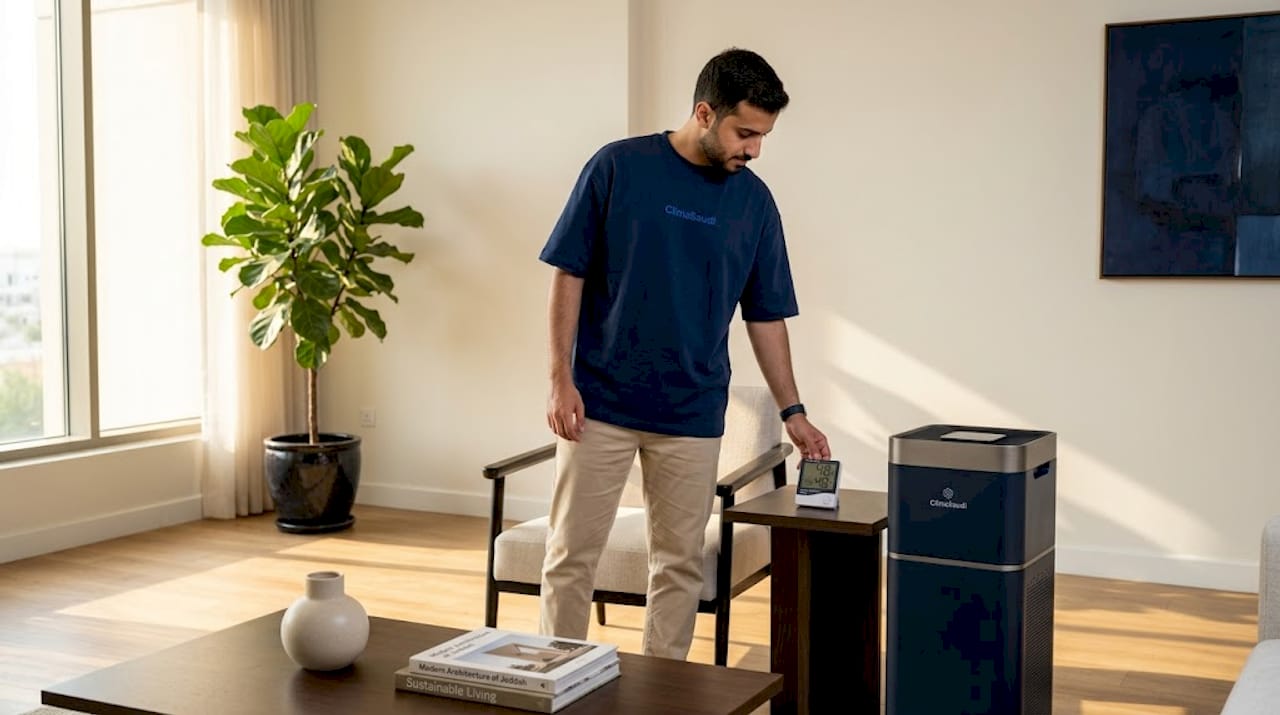
Pro Tip: Avoid placing your purifier in a corner or directly against a wall. Position it in the centre of the main living space, or at least one metre from walls and furniture, to maximise airflow and filtration efficiency.
Humidity management is also relevant, particularly in Jeddah. When indoor humidity stays above 60%, mould spores become a significant pollutant. A purifier removes spores already in the air, but pairing it with a dehumidifier prevents new mould growth at the source.
Saudi apartment air purifier feature comparison
Armed with a personalised feature shortlist, how can you get the best results in your unique apartment situation? Not all features matter equally across Saudi cities. Here is how key specifications align with local conditions.
| Feature | Riyadh priority | Jeddah priority | Dammam priority |
|---|---|---|---|
| HEPA H13 filtration | Critical (heavy dust) | High (mould spores) | Critical (fine industrial PM) |
| Activated carbon layer | High (traffic NO2) | Medium | High (petrochemical gases) |
| High CADR rating | Critical | High | Critical |
| Humidity/mould sensing | Low | High | Medium |
| Quiet operation mode | Medium | Medium | Medium |
| Smart PM2.5 sensor | High | High | High |
| Energy efficiency | Medium | Medium | Medium |
The city differences in dust, humidity, and pollution sources mean you should prioritise features differently depending on where you live. Riyadh residents need maximum PM capture capacity and strong carbon filtration for traffic gases. Jeddah residents benefit most from a unit that also monitors humidity and tackles mould spores aggressively. Dammam apartments close to industrial zones need high CADR values and strong chemical filtration.
Key features to look for in any Saudi apartment purifier:
- HEPA H13 certification: Not all HEPA filters are rated equally. H13 captures at least 99.95% of particles at 0.3 microns, the most penetrating particle size.
- Activated carbon stage: A carbon layer is essential for gases, odours, and VOCs. Thin carbon pre-filters offer minimal gas removal. Look for substantial carbon weight (300g or more).
- CADR to room size match: Divide your room’s area in square metres by 0.1 to get the minimum CADR you need. A 30 m² living room needs a CADR of at least 300 m³/h.
- Noise levels: Saudi apartments are typically compact. A unit exceeding 50 decibels on its lowest setting will disrupt sleep and daily life.
- Smart sensors: Auto mode with a real-time PM2.5 sensor adjusts fan speed without manual intervention, saving energy and maintaining clean air passively.
For a full breakdown of city-by-city feature needs, including which certifications to look for, refer to our dedicated guide.
Getting the most from your home air purifier
To round out the guide, here is what most buyers miss when they set up their first air purifier. Good hardware underused will always underperform. The right habits make the real difference.
-
Run it consistently. The biggest mistake Saudi apartment residents make is turning the purifier on only during visible dust storms. Filter type and ongoing operation are both critical to real-world success. Particles accumulate in your apartment whenever the unit is off. A continuous low setting is far more effective than periodic high bursts.
-
Clean and replace filters on schedule. In Saudi conditions, particularly in Riyadh during dust storm season, pre-filters can clog within weeks rather than months. A blocked pre-filter forces the main HEPA layer to work harder, reducing airflow and shortening its lifespan. Check the pre-filter monthly and rinse it if the manufacturer allows.
-
Place the unit strategically. The centre of the room is almost always the best location. Avoid putting the purifier behind furniture, in cupboards, or directly against a wall. Air needs to circulate freely through the intake and outlet.
-
Pair with source control. Your purifier cannot remove particles as fast as a gas hob generates them without adequate extraction. Use your kitchen exhaust fan while cooking. Keep windows closed during dust events. These habits reduce the incoming load, so the purifier spends its capacity on residual pollution rather than constant peak loads.
-
Budget for running costs. Factor in both electricity and filter replacement costs when comparing models. A cheaper unit with expensive proprietary filters can cost more over two years than a premium unit with widely available filters.
For apartments where noise is a concern, our guide on comparing purifier noise levels can help you identify models that maintain healthy air without disturbing sleep or work.
Pro Tip: Set a calendar reminder every three months to check your filters. In Riyadh’s dusty summers, you may need to replace the main HEPA filter every six months rather than the standard twelve.
Why air purifiers alone aren’t a magic fix: our perspective
Air purifiers are genuinely useful. The evidence is solid. But there is a widespread assumption that buying a unit, plugging it in, and forgetting it will solve your indoor air problems. It will not, not in Saudi apartments.
Effectiveness is not uniform and depends on correct sizing, ongoing operation, and a realistic understanding of how air moves through your specific home. An undersized unit in a large open-plan Jeddah apartment will produce disappointing results, not because air purifiers do not work, but because that particular unit was not matched to the space.
We also see a pattern where residents buy a unit, use it well for the first month, then neglect filter changes. A saturated HEPA filter can actually reduce airflow more than no filter at all. The unit keeps running, indicator lights stay green, and the resident assumes air is being cleaned. It is not.
The best results require combining purifiers with source control and improved ventilation habits. Think of your purifier as one layer of protection in a broader home air strategy. Seal window gaps. Use your kitchen hood. Avoid indoor aerosols. Choose low-VOC cleaning products. Then let the purifier handle what remains.
This approach, treating a purifier as a component rather than a complete solution, reflects what Saudi apartments actually need. A thorough Saudi-specific feature analysis based on your city and living conditions will point you toward the right starting point.
Find the right purifier for your Saudi apartment
Getting to genuinely clean indoor air is easier when you have the right products and the right guidance.
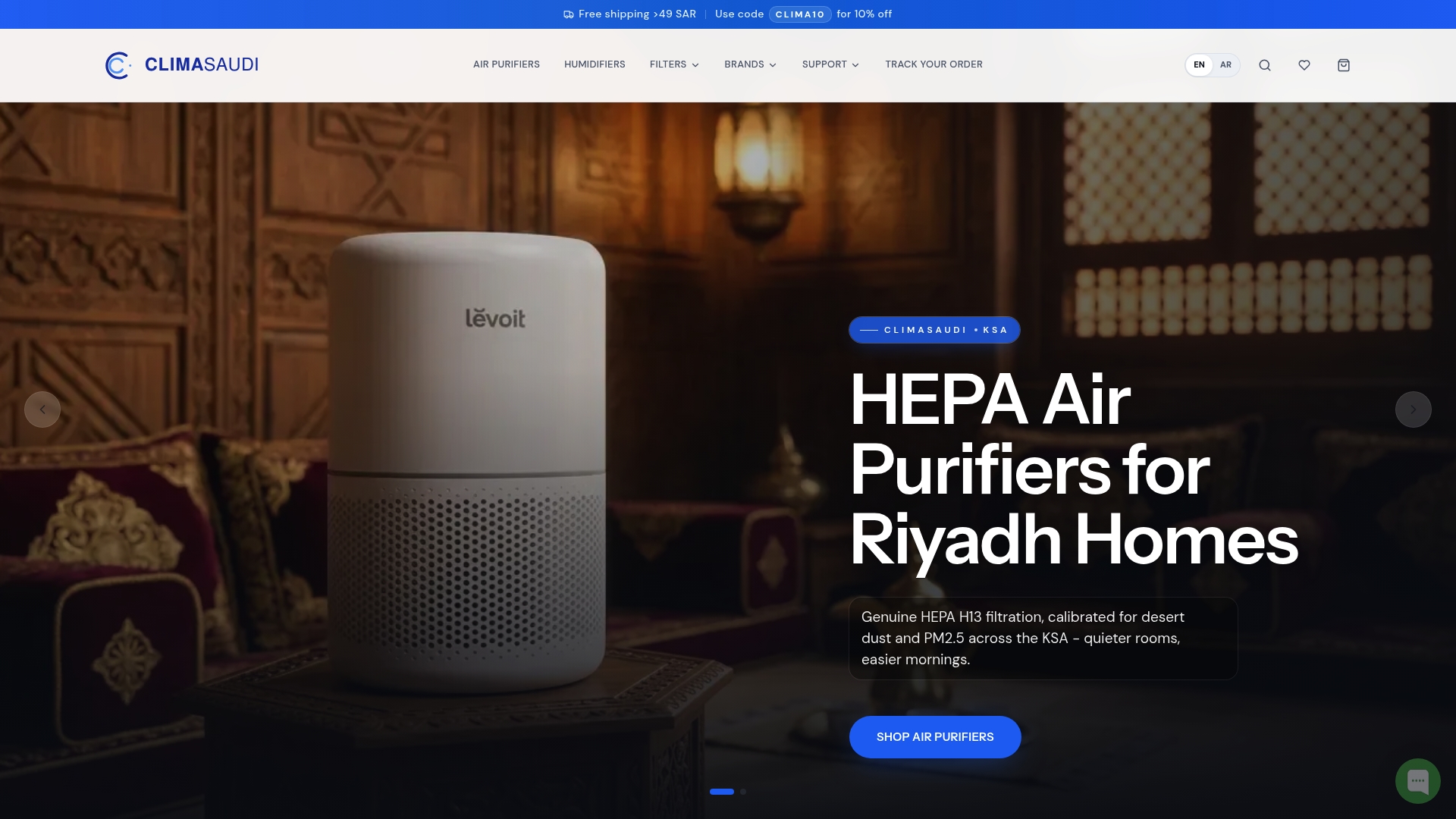
At ClimaSaudi, all air purifiers for Saudi apartments are selected specifically for local conditions in Riyadh, Jeddah, and Dammam. Every unit in our catalogue carries certified HEPA H13 filtration and genuine activated carbon stages, not thin pre-filter carbon sheets. If your apartment suffers from coastal humidity or dry winter air, our range of humidifiers for dry apartments pairs directly with filtration to maintain healthy indoor conditions year-round. Next-day delivery, local SAR pricing, and a product matching tool mean you get the right unit for your space without guesswork.
Frequently asked questions
How much can an air purifier reduce dust in a Saudi apartment?
Portable HEPA-based purifiers measurably reduce indoor fine particulate matter, though results depend on unit size, how consistently it runs, and how well the apartment limits outdoor air entry.
Do air purifiers help with gas stoves and cooking odours?
Yes. Units with both HEPA and activated carbon stages can reduce NO2 and odours from gas cooking, particularly when you also use kitchen ventilation during and after cooking.
Is it enough to run a purifier only during sandstorms?
No. For consistent indoor air quality, run your purifier continuously on a low setting and maintain filters regularly, as consistent use and filter maintenance are both essential to real-world effectiveness.
Can using purifiers improve heart health for high-risk residents?
There is growing evidence that HEPA filtration produces a measurable systolic blood pressure benefit in residents with cardiovascular risks who are exposed to elevated PM in urban environments.