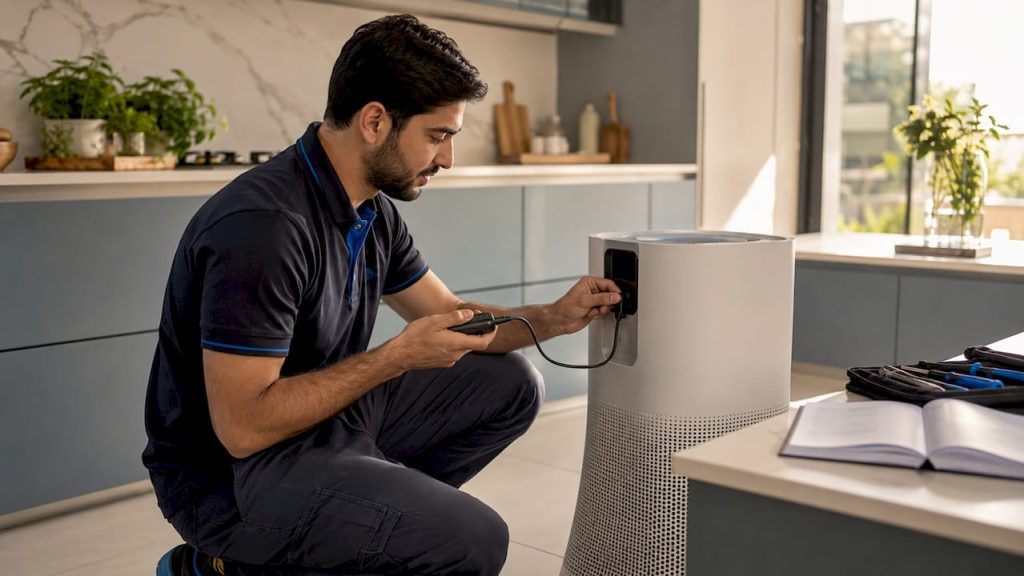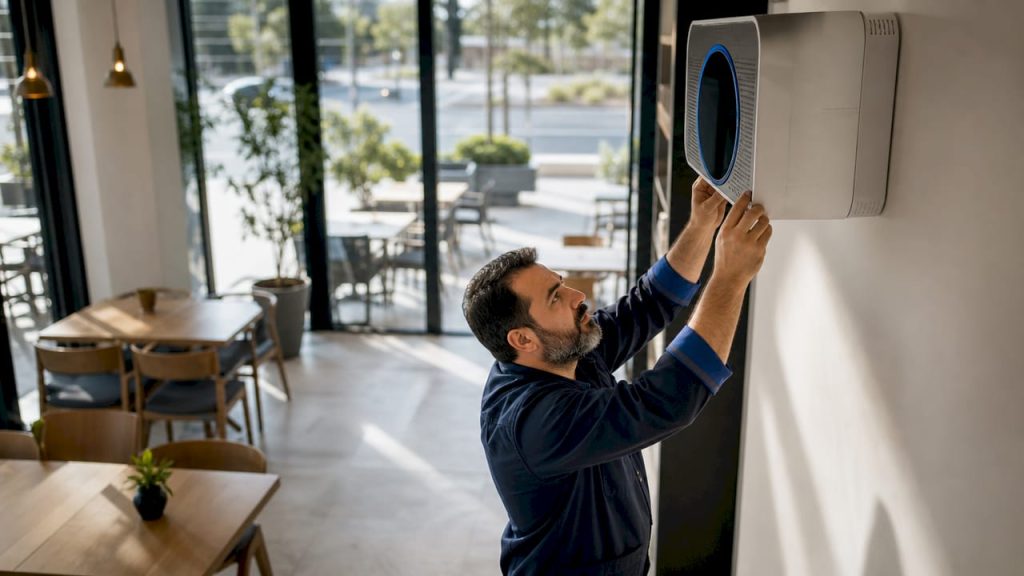
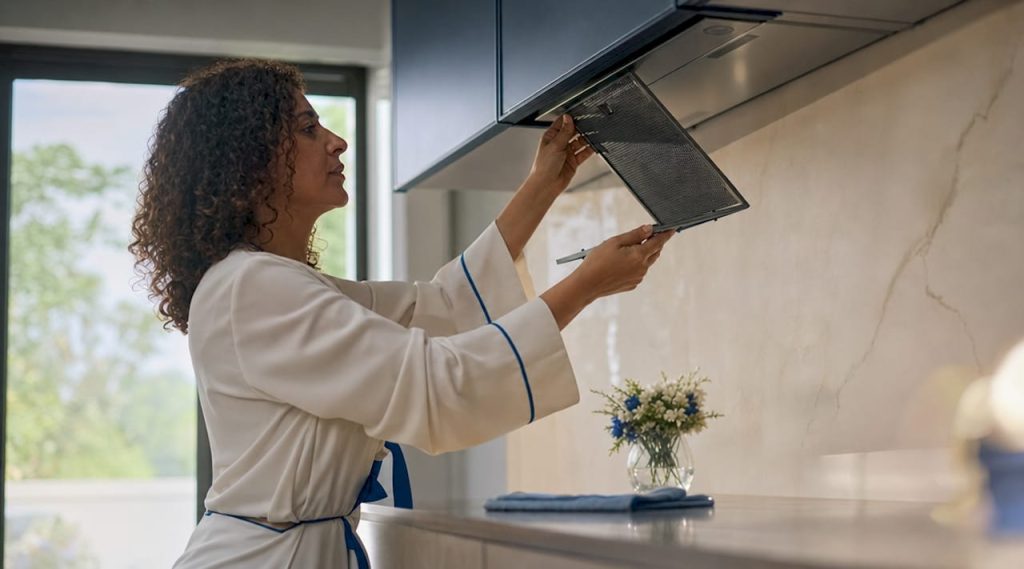
Electrostatic filter dust removal is defined as the process by which a filter uses static electricity to attract and hold airborne dust particles before they recirculate through your home. This is the core function of electrostatic air filters, the industry-standard term for washable or permanent filters found in residential HVAC systems. Brands such as Nordic Pure and Camfil produce electrostatic filter media designed to capture general household dust, pet dander, and larger airborne debris. Advanced electrostatic designs can achieve over 99% efficiency for ultrafine particles under laboratory conditions. For most homes, understanding the role of electrostatic filter dust capture means knowing what these filters do well, where they fall short, and how to maintain them properly.
How do electrostatic filters work to remove dust from indoor air?
Electrostatic air filters generate a static charge as air passes through layers of specially woven synthetic fibres. That charge acts like a magnet, attracting dust, pollen, and debris particles and holding them against the filter media rather than letting them pass through into your living space. The process is entirely passive. No electricity supply is needed, unlike electronic air precipitators, which use an active electrical charge to ionise particles before collection.
There are two main types worth knowing. Passive electrostatic filters, the kind found in most residential HVAC systems, rely on the friction of airflow through charged fibres. Electronic precipitators, sometimes called electrostatic precipitators, use a powered ionising section to charge particles before they reach a collection plate. Passive filters are simpler, cheaper, and require no wiring. Electronic precipitators can be more effective for very fine particles but need more maintenance and a power source.
The size of the filter fibres matters. Finer fibres create more surface area and a stronger charge, which improves capture rates for smaller particles. Airflow speed also affects performance. Too fast, and charged particles do not have enough contact time with the media to be captured. Most residential systems are designed to operate within a flow rate that keeps this balance.
- Passive electrostatic filters use friction-generated static charge, no power required
- Electronic precipitators actively ionise particles for higher fine-particle capture
- Fibre density and airflow speed both determine how well particles are trapped
- Larger particles such as dust, lint, and pet hair are captured most reliably
- Smaller particles below 1 micron require denser media or supplementary filtration
Pro Tip: If you notice dust settling on surfaces more quickly than usual, check your filter first. A partially clogged electrostatic filter loses its charge and lets particles pass straight through.
What is the efficiency of electrostatic filters compared to other filters?
Electrostatic filters typically carry a MERV rating between 4 and 10, placing them in the mid-range of residential filtration. A MERV 4 filter captures large dust and debris. A MERV 10 filter begins to trap finer particles such as mould spores and some allergens. This range makes electrostatic filters well suited to general dust removal but less effective than HEPA or high-MERV pleated filters for fine allergen control.
The comparison matters for households with allergy sufferers. HEPA filters, rated at MERV 17 and above, capture 99.97% of particles at 0.3 microns. A standard electrostatic filter at MERV 8 captures roughly 70% of particles in the 3 to 10 micron range but far fewer in the sub-micron range. For context, dust mite allergens typically measure 0.5 to 50 microns, meaning electrostatic filters catch the larger fragments but miss the finest ones. You can read more about HEPA allergy benefits if allergen control is your primary concern.
There is an important efficiency caveat that most product descriptions omit. A MERV 13 electrostatic filter can degrade to an effective MERV 8 rating within weeks of use as the static charge diminishes and dust accumulates. This means the efficiency you see on the packaging is a best-case figure, not a sustained real-world performance number.
| Filter type | Typical MERV rating | Best use case | Efficiency for fine particles |
|---|---|---|---|
| Electrostatic (passive) | 4 to 10 | General dust, pet hair, lint | Moderate, degrades over time |
| Pleated mechanical | 8 to 13 | Allergens, mould spores | Good, stable over filter life |
| HEPA (H13) | 17+ | Fine allergens, PM2.5, bacteria | Excellent, consistent |
| Electronic precipitator | Variable | Fine particles, smoke | High, requires regular cleaning |
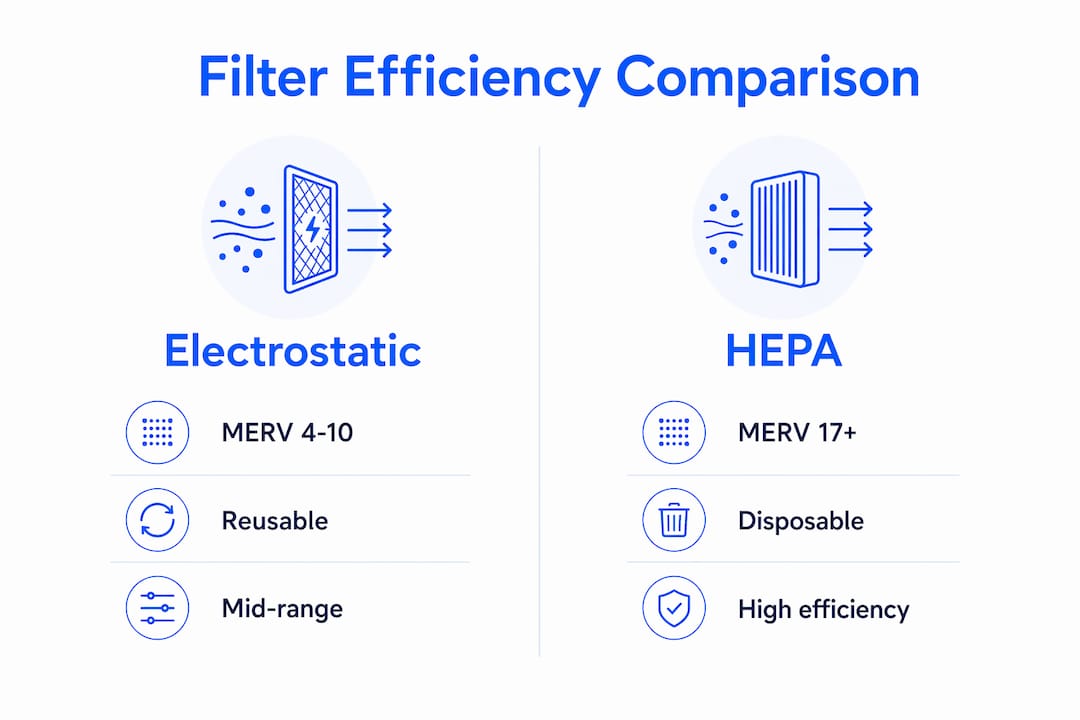
The table above shows that electrostatic filters occupy a practical middle ground. They outperform basic fibreglass filters and maintain better airflow than dense pleated options, but they are not the right choice if your household includes someone with severe asthma or dust mite allergy.
What maintenance does an electrostatic filter require?
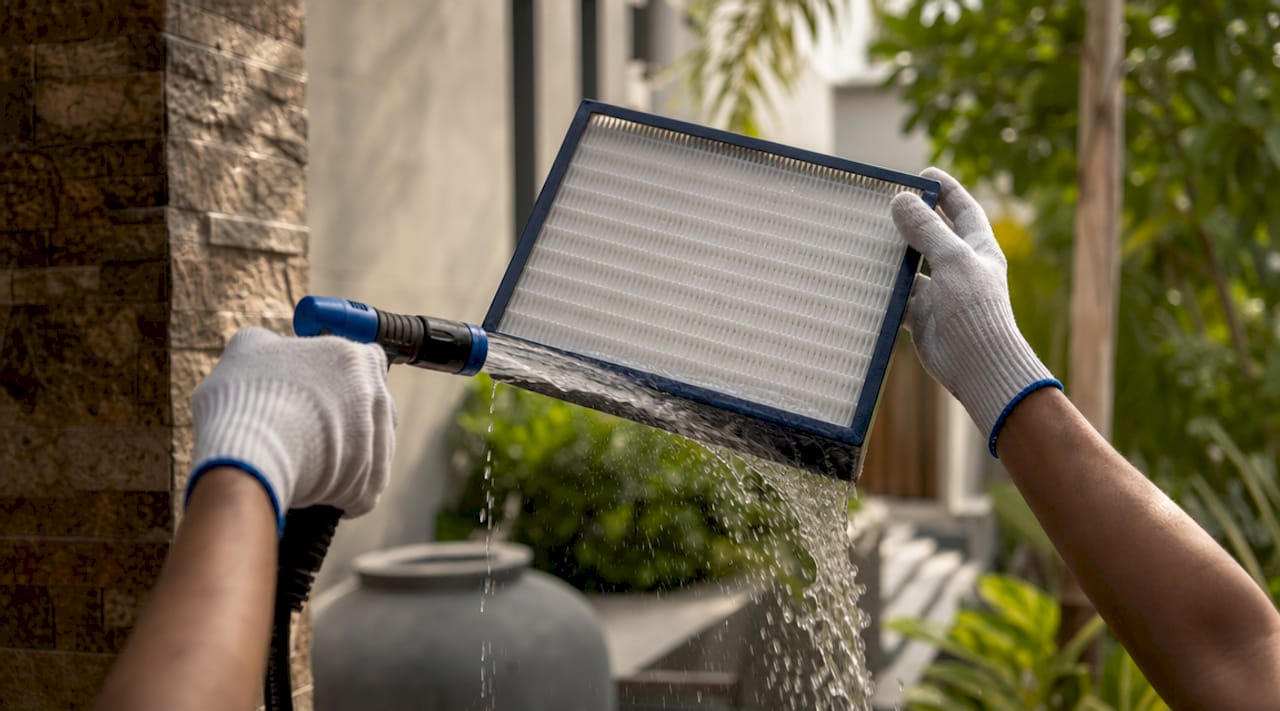
Electrostatic filters are reusable and require monthly cleaning rather than replacement, which is their primary cost advantage over disposable pleated filters. The cleaning process is straightforward but must be done correctly to preserve both the filter’s charge and your HVAC system’s health.
Follow these steps each month:
- Remove the filter from your HVAC unit and take it outdoors or to a utility sink.
- Rinse it with a gentle stream of water, working from the clean side to the dirty side to push debris out rather than deeper in.
- Apply a small amount of mild detergent if grease or heavy soiling is present, then rinse thoroughly.
- Shake off excess water and place the filter flat in a well-ventilated area to dry completely.
- Reinstall only when the filter is fully dry. This step is non-negotiable.
Never reinstall a damp electrostatic filter. Moisture encourages mould growth within the filter media and can short-circuit HVAC components. This is the single most common maintenance mistake homeowners make.
Signs that your filter needs attention include visible grey or brown discolouration across the surface, reduced airflow from your vents, or a musty smell when the system runs. If the filter frame is warped or the media is torn, replacement is the right call rather than another cleaning cycle. For guidance on maintaining filters at home, ClimaSaudi’s blog covers the full process in detail.
Pro Tip: Set a recurring monthly reminder on your phone for filter cleaning. Skipping even one cycle allows dust accumulation to suppress the static charge, and two missed cycles can drop your filter’s effective MERV rating by several points.
What are the benefits and trade-offs of electrostatic filters for dust removal?
The practical case for electrostatic filters rests on three strengths. They are reusable, which means no monthly trips to the hardware shop and no ongoing replacement cost. They maintain better airflow than dense pleated filters, which matters for HVAC system longevity. And they handle the most common household dust sources, including pet dander, fabric lint, and coarse desert dust, reliably well.
For homes in cities like Riyadh or Dammam, where fine sand and dust enter through windows and ventilation gaps, an electrostatic filter provides a practical first line of defence. It captures the bulk of visible particulate matter before it settles on surfaces or enters your respiratory tract.
The trade-offs are real and worth stating plainly:
- Electrostatic filters are less effective for particles below 1 micron, including fine PM2.5 and some allergens
- Efficiency drops as static charge diminishes over the usage cycle, unlike mechanical filters which maintain consistent performance until clogged
- Monthly cleaning is required. If you travel frequently or forget maintenance, performance degrades quickly
- They are not suitable as the sole filtration solution for households with severe allergies or asthma
The strongest recommendation from filtration research is a hybrid approach. Using electrostatic filters as pre-filters alongside downstream HEPA filtration gives you the best of both technologies. The electrostatic layer captures larger dust and debris, protecting the HEPA filter and extending its service life. The HEPA stage then handles fine allergens and PM2.5 that the electrostatic media misses. This is the setup that makes the most sense for households balancing air quality goals with HVAC system performance.
Electrostatic filters also offer a sustainability advantage. Compared to disposable pleated filters that go to landfill every one to three months, a well-maintained electrostatic filter can last several years. For environmentally conscious homeowners, this reduced waste is a meaningful benefit alongside the cost savings.
Key takeaways
Electrostatic filters capture general household dust effectively through static charge, but their efficiency degrades over time and they require monthly cleaning to sustain performance.
| Point | Details |
|---|---|
| Core function | Electrostatic filters use static charge to attract and hold dust, pollen, and pet dander. |
| MERV rating range | Ratings typically fall between MERV 4 and 10, suitable for general dust but not fine allergens. |
| Efficiency degradation | Static charge diminishes with use, dropping effective MERV rating by several points without cleaning. |
| Maintenance requirement | Clean monthly with water and mild detergent; always reinstall completely dry to prevent mould. |
| Best home strategy | Pair electrostatic pre-filters with a HEPA unit downstream for full-spectrum dust and allergen control. |
What I have learnt from using electrostatic filters day to day
The most common misconception I encounter is that electrostatic filters are a set-and-forget solution. They are not. The static charge that makes them effective is also their vulnerability. Skip two months of cleaning and you essentially have an expensive piece of mesh doing very little.
What I have found works well is treating the monthly clean as part of a broader air quality routine rather than an isolated chore. Check the filter, clean it, and take a moment to assess whether your indoor air feels different. In dusty environments, particularly in homes near construction sites or in areas with frequent sandstorms, you may need to clean every three weeks rather than monthly.
The hybrid setup genuinely changes the picture for households with allergy sufferers. An electrostatic filter in the HVAC system handles the bulk dust load, and a standalone HEPA air purifier in the bedroom handles fine particles and allergens where it matters most for sleep and respiratory health. This combination is more cost-effective than upgrading to a high-MERV pleated filter throughout the entire system, which can restrict airflow and stress older HVAC units.
One thing I would caution against is over-relying on MERV ratings as a purchase decision. The rated efficiency is measured under controlled conditions. Real-world performance depends on how often you clean the filter, your home’s dust load, and how well the filter fits its housing. A well-maintained MERV 8 electrostatic filter in a correctly sized housing will outperform a neglected MERV 11 filter every time.
— Pauline
Upgrade your home’s air quality with Climasaudi
If you are ready to go beyond basic dust filtration, Climasaudi offers a curated range of air purifiers and HEPA filters suited to Saudi homes, from compact apartment units to whole-room solutions for larger villas. The range includes certified HEPA H13 products designed to complement electrostatic pre-filtration, giving your home full-spectrum protection against dust, allergens, and PM2.5. For those considering a step up in filtration technology, the Blueair ComfortPure T20i combines three filtration stages in a single unit, making it a practical upgrade for households in Riyadh, Jeddah, or Dammam. Next-day delivery, local SAR pricing, and dedicated customer support make getting started straightforward.
FAQ
What is the main role of electrostatic filter dust capture?
The role of electrostatic filter dust capture is to use static electricity to attract and hold airborne particles, including dust, pet dander, and pollen, before they recirculate through your home’s air supply.
How often should you clean an electrostatic air filter?
Electrostatic filters require cleaning approximately once a month using water and mild detergent. Homes in dusty environments may need cleaning every two to three weeks to maintain effective filtration.
Are electrostatic filters good for allergy sufferers?
Electrostatic filters are effective for larger allergen particles but less reliable for fine allergens below 1 micron. Allergy sufferers benefit most from pairing an electrostatic filter with a HEPA H13 air purifier for comprehensive coverage.
Why does an electrostatic filter lose efficiency over time?
Efficiency drops because the static charge diminishes as dust accumulates on the filter media. Regular monthly cleaning restores the charge and returns the filter to near-original performance.
Can you use an electrostatic filter instead of a HEPA filter?
Electrostatic filters and HEPA filters serve different purposes. An electrostatic filter handles general dust and debris well, while a HEPA filter is required for fine particles, PM2.5, and allergen control. The most effective approach uses both in combination.