
Indoor air is defined by the U.S. EPA as a distinct pollution environment where pollutant concentrations reach 2–5 times higher than outdoor levels. That gap matters because people spend approximately 90% of their time indoors, meaning the air inside your home, office, or apartment is the air you breathe most. Understanding why indoor air quality issues develop, and what drives them, is the first step towards protecting your health. This guide covers the main sources of indoor air pollution, the role of ventilation, the health risks involved, and the practical steps you can take right now.
Why is indoor air worse than outdoor air?
Indoor air pollution is the term professionals use to describe the accumulation of harmful substances within enclosed spaces. The informal question of why indoor air is worse than outdoor air has a clear scientific answer: confined spaces trap pollutants, while outdoor air disperses them.
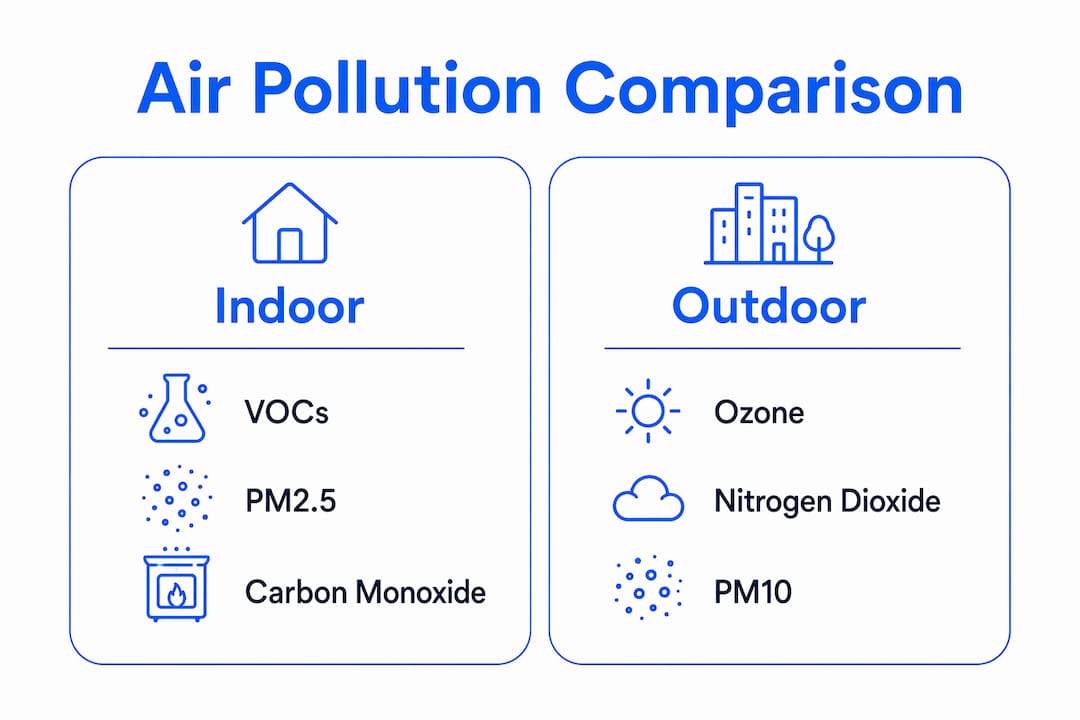
Indoor and outdoor atmospheres form a continuum, but indoor spaces generate chemical mixtures that simply do not exist in the same concentrations outside. Furniture off-gassing, cleaning products, and occupant activities all release compounds that build up when ventilation is poor. Outdoors, wind and atmospheric mixing dilute these substances rapidly. Indoors, they accumulate.
Legislation has also fallen behind. Outdoor air quality is regulated by national and international standards. Indoor-specific pollutants, by contrast, receive far less regulatory attention. That gap places the responsibility squarely on you as a homeowner or occupant.
What are the common pollutants that make indoor air worse?
Several distinct pollutant categories drive poor indoor air quality. Each has its own sources and health effects.
- Volatile organic compounds (VOCs): Released by paints, varnishes, adhesives, synthetic furnishings, and air fresheners. VOCs include benzene and formaldehyde, both linked to long-term respiratory and neurological harm.
- Particulate matter (PM2.5 and PM10): Generated by cooking, candle burning, and tobacco smoke. PM2.5 particles are small enough to penetrate deep into lung tissue.
- Carbon monoxide: Produced by gas hobs, boilers, and poorly maintained heating appliances. Even low concentrations cause headaches and dizziness.
- Biological pollutants: Mould spores, dust mites, and pet dander thrive in warm, humid indoor environments. They trigger allergic reactions and worsen asthma.
- Outdoor pollutants entering indoors: Vehicular emissions and desert dust, particularly relevant in cities like Riyadh and Jeddah, infiltrate buildings through gaps and ventilation intakes.
The critical difference between indoor and outdoor pollution is persistence. Outdoor pollutants disperse. Indoor pollutants accumulate in stagnant air, reaching concentrations that outdoor environments rarely sustain. You can read more about common indoor pollutant sources and how they interact in a typical home.
Pro Tip: Check the labels on your cleaning products for VOC content. Switching to low-VOC or fragrance-free alternatives is one of the fastest ways to reduce your indoor chemical load.
How do home design and daily habits worsen indoor air?
Modern building design is a significant driver of indoor air quality issues. Energy-efficient homes are tightly sealed to reduce heat loss and cooling costs. That seal also traps pollutants.
Natural ventilation alone is often insufficient in tightly constructed homes, particularly in hot climates like Saudi Arabia where windows stay closed for much of the year. Mechanical ventilation systems are designed to compensate, but they require regular maintenance to function correctly. A clogged filter or blocked exhaust fan can make indoor air quality worse than having no system at all.
Daily occupant behaviours compound the problem significantly. The following activities raise indoor pollutant levels quickly:
- High-heat cooking without extraction: Frying and grilling produce PM2.5 and nitrogen dioxide. Running an extractor fan directly above the hob captures the majority of these particles before they spread.
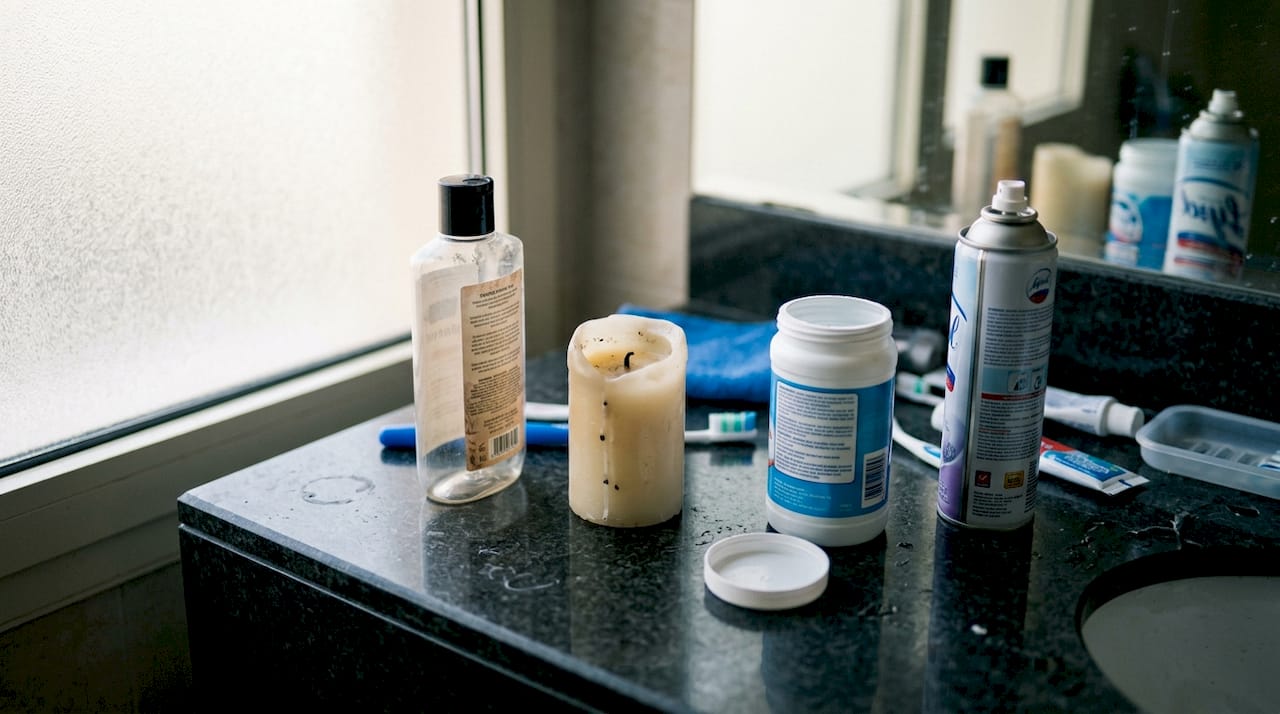
- Burning candles or incense: Both release fine particulate matter and VOCs. A single scented candle in a small room can spike PM2.5 readings within minutes.
- Using aerosol sprays indoors: Hairsprays, deodorants, and air fresheners release VOC mixtures that linger in enclosed spaces.
- Indoor smoking: Tobacco smoke contains over 7,000 chemicals, many of which settle into soft furnishings and re-release over time.
The ‘cocktail effect’ of indoor air pollutants describes how these chemical mixtures accumulate and interact, creating a combined exposure that exceeds any single pollutant’s impact. Targeting one source while ignoring others produces limited results. A whole-home approach is necessary.
Pro Tip: Open windows and run extractor fans simultaneously for at least 10 minutes after cooking. This single habit removes the majority of cooking-generated PM2.5 before it settles.
Why does ventilation matter so much indoors?
Ventilation is the primary mechanism for diluting indoor pollutants. Without adequate air exchange, every pollutant released indoors stays indoors.
| Ventilation type | How it works | Limitations |
|---|---|---|
| Natural ventilation | Air enters and exits through windows, doors, and gaps | Ineffective in sealed buildings; brings outdoor pollutants inside |
| Exhaust fans | Mechanically expel stale air from kitchens and bathrooms | Only addresses localised sources; does not filter incoming air |
| HVAC systems | Circulate and condition air throughout the building | Requires regular filter replacement; can spread pollutants if poorly maintained |
| Mechanical ventilation with heat recovery (MVHR) | Exchanges indoor and outdoor air while retaining heat or cooling | High installation cost; most effective in new-build or retrofitted homes |
Outdoor air quality directly influences indoor air, but it does not resolve indoor-specific pollutants. In Saudi Arabia, opening windows during a sandstorm introduces PM10 particles that worsen indoor conditions. The solution is a balanced approach: mechanical ventilation to control air exchange, combined with filtration to remove particles that enter regardless. Climasaudi’s Saudi home ventilation guide covers this balance in detail for local conditions.
What health impacts come from poor indoor air quality?
Symptoms from poor indoor air quality range from immediate irritation to chronic disease. Short-term effects include headaches, dizziness, and irritation of the eyes, nose, and throat. Long-term exposure is linked to respiratory infections, asthma, cardiovascular disease, and certain cancers.
Children face a disproportionate risk. Children breathe nearly twice as fast as adults, which means they inhale a greater volume of polluted air relative to their body weight. A child playing on the floor of a poorly ventilated room is exposed to higher concentrations of settled dust, mould spores, and VOCs than an adult standing in the same space.
Vulnerable groups also include older adults, people with pre-existing respiratory conditions, and pregnant women. For these groups, the gap between indoor and outdoor air quality is not an abstract concern. It translates directly into measurable health outcomes.
Mental health is also affected. Spending as little as 10–15 minutes outdoors measurably reduces stress hormones and improves mood. Prolonged time in poorly ventilated indoor spaces has the opposite effect. The outdoor air benefits for mental wellbeing are well-documented, and they reinforce the case for improving the air you breathe inside as well.
Statistic: Indoor pollutant concentrations reach 2–5 times outdoor levels. For someone spending 90% of their time indoors, that exposure gap accumulates into a significant long-term health burden.
You can explore the connection between clean filters and respiratory health for a more detailed look at how filtration supports lung function over time.
What practical steps improve indoor air quality effectively?
Source control is the most effective strategy for improving indoor air quality. Removing or reducing the pollutant at its origin is always more effective than trying to clean the air after the fact.
- Identify and eliminate pollution sources. Replace solvent-based paints with water-based alternatives. Store chemicals in sealed containers outside the living space. Remove mould at the source rather than masking it. Professional mould testing and remediation is worth considering if you suspect biological contamination.
- Maintain your ventilation system. Replace HVAC filters on the manufacturer’s schedule. Clean exhaust fan grilles every three months. A dirty filter does not just reduce airflow; it becomes a source of biological pollutants itself.
- Use air purifiers with HEPA H13 filtration. HEPA H13 filters capture 99.95% of particles at 0.3 microns, including PM2.5, mould spores, and pet dander. Air purifiers complement ventilation; they do not replace it. Place them in the rooms where you spend the most time, particularly bedrooms.
- Change occupant behaviours. Cook with extraction running. Avoid aerosol sprays in enclosed spaces. Ban indoor smoking entirely. Proactive monitoring and mitigation prevents pollutant build-up far more effectively than reacting to symptoms.
- Address carpets and soft furnishings. Carpets trap PM2.5, dust mites, and pet dander. Professional carpet cleaning reduces the reservoir of airborne allergens that vacuuming alone cannot reach.
Pro Tip: Place your air purifier in the room where you sleep, not the living room. You spend 7–8 hours breathing in that space without moving, making it the highest-priority room for clean air.
Key takeaways
Indoor air is consistently more polluted than outdoor air because confined spaces trap pollutants, occupant activities generate chemical mixtures, and ventilation is rarely sufficient to dilute them.
| Point | Details |
|---|---|
| Pollutant concentrations indoors | Indoor levels reach 2–5 times outdoor concentrations due to confined spaces and limited air exchange. |
| Source control comes first | Removing pollutants at their origin is more effective than relying on air purifiers alone. |
| Ventilation requires active management | Natural airflow is insufficient in sealed or energy-efficient homes; mechanical systems need regular maintenance. |
| Children face higher exposure | Children breathe faster than adults, increasing their intake of indoor pollutants per unit of body weight. |
| Behaviour changes reduce spikes | Cooking with extraction, avoiding aerosols, and banning indoor smoking prevent rapid pollutant build-up. |
What I have learned from years of watching people manage indoor air
The window-opening myth
Most people believe that cracking a window solves indoor air quality issues. It helps, but it is rarely enough. In Riyadh or Jeddah during summer, opening a window introduces heat, humidity, and desert dust while doing little to remove the VOCs already off-gassing from your furniture. The assumption that outdoor air is always cleaner than indoor air is simply not reliable in high-pollution or high-dust environments.
The harder truth is that energy-efficient homes, which most new builds in Saudi Arabia are, require mechanical solutions. A window is not a ventilation strategy. It is a temporary measure.
What I find consistently overlooked is the cumulative nature of indoor pollution. People react to a visible mould patch or a noticeable smell. They do not react to the slow accumulation of VOCs from a new sofa, or the gradual build-up of PM2.5 from daily cooking. By the time symptoms appear, the exposure has already been significant.
The most effective approach I have seen combines three things: eliminating sources, maintaining mechanical ventilation, and using HEPA H13 filtration in sleeping areas. None of these alone is sufficient. Together, they address the problem at every stage.
Outdoor time also matters more than most indoor air quality discussions acknowledge. Short periods outdoors reduce cortisol and improve mood in ways that no air purifier can replicate. Managing indoor air quality well is not about staying inside with clean air. It is about making both environments work for your health.
— Pauline
Cleaner indoor air starts with the right tools
If you have identified ventilation gaps, persistent dust, or biological pollutants in your home, the next step is practical.
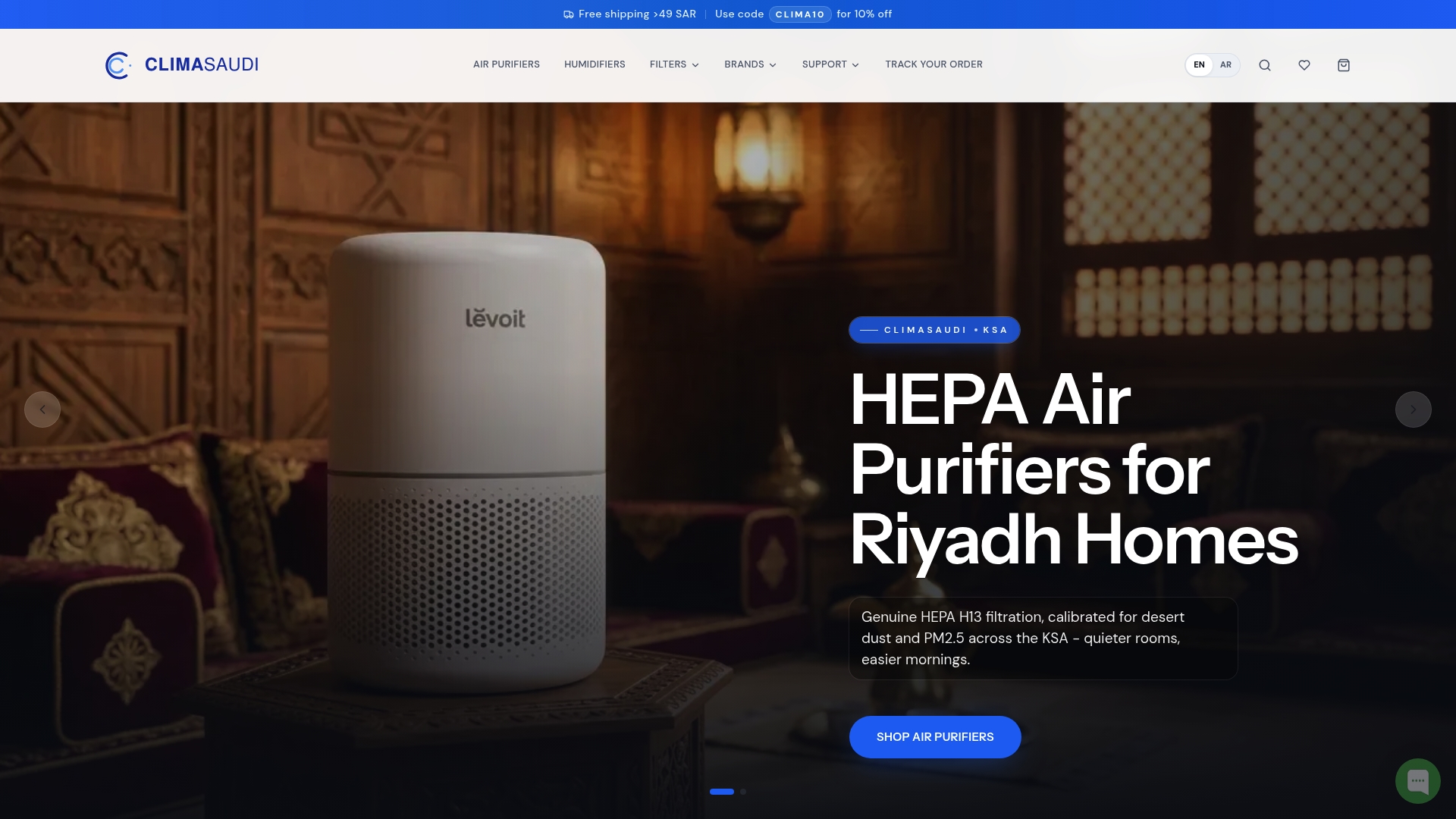
Climasaudi stocks air purifiers, HEPA filters, and humidifiers selected specifically for Saudi Arabian homes, covering the challenges of desert dust, coastal humidity, and high temperatures. Products carry HEPA H13 certification, with transparent SAR pricing and next-day delivery across Riyadh, Jeddah, and Dammam. Whether you need a compact unit for a single bedroom or a solution for a larger villa, Climasaudi’s bestselling air quality range covers every room size and concern.
FAQ
Why is indoor air more polluted than outdoor air?
Indoor spaces trap pollutants from furniture, cleaning products, cooking, and occupant activities, while outdoor air disperses them through wind and atmospheric mixing. The U.S. EPA confirms indoor pollutant concentrations are typically 2–5 times higher than outdoor levels.
What are the main sources of indoor air pollution?
The primary sources are VOCs from furnishings and cleaning products, PM2.5 from cooking and smoking, carbon monoxide from gas appliances, and biological pollutants such as mould, dust mites, and pet dander.
Is indoor air more harmful than outdoor air for children?
Children breathe nearly twice as fast as adults, which increases their exposure to indoor pollutants relative to body weight. This makes poorly ventilated indoor spaces particularly harmful for young children.
Does opening windows improve indoor air quality?
Opening windows helps dilute indoor pollutants but is insufficient in tightly sealed or energy-efficient homes. In high-dust or high-pollution environments, it can introduce outdoor contaminants. Mechanical ventilation combined with HEPA filtration is more reliable.
What is the single most effective way to improve indoor air quality?
Source control is the most effective strategy, according to the U.S. EPA. Identifying and eliminating pollution sources at their origin reduces indoor pollutant levels more reliably than air purifiers or ventilation alone.